Effective Plant Care Tips for Beginners
- Nature Elegance
- Jan 20
- 4 min read
Starting your journey with plants can be both exciting and a bit overwhelming. Plants bring life and color to any space, but they also require attention and care to thrive. Whether you have a small collection of succulents or a few leafy houseplants, understanding the basics of plant care is essential. This guide will walk you through practical and easy-to-follow plant care tips that will help your green friends flourish.
Essential Plant Care Tips for Beginners
Caring for plants involves more than just watering them occasionally. It requires understanding their needs and creating an environment where they can grow healthily. Here are some fundamental plant care tips to get you started:
Choose the right plants for your space: Some plants thrive in low light, while others need bright, indirect sunlight. Research plants that suit your home’s lighting conditions.
Use proper soil: Different plants require different types of soil. For example, succulents need well-draining soil, while ferns prefer moisture-retentive soil.
Provide adequate light: Most houseplants do well with indirect sunlight. Avoid placing plants in direct harsh sunlight unless they are sun-loving species.
Fertilize appropriately: Plants need nutrients to grow. Use a balanced fertilizer during the growing season, but avoid over-fertilizing.
Maintain humidity: Some plants, like tropical varieties, prefer higher humidity. You can increase humidity by misting or using a humidifier.
By following these tips, you create a nurturing environment that supports your plants’ growth and health.

How to Choose the Right Pot and Soil
Selecting the right pot and soil is crucial for your plant’s health. The pot should have drainage holes to prevent water from sitting at the bottom, which can cause root rot. If your pot doesn’t have holes, consider adding a layer of pebbles at the bottom to improve drainage.
When it comes to soil, not all potting mixes are created equal. Here are some common types:
General-purpose potting soil: Suitable for most houseplants.
Cactus and succulent mix: Contains sand or perlite for better drainage.
Orchid mix: Usually made of bark and other chunky materials to allow air circulation.
Make sure to repot your plants every 1-2 years to refresh the soil and give roots more space to grow. Repotting also helps prevent soil compaction, which can hinder water absorption.
How often do you water my plants?
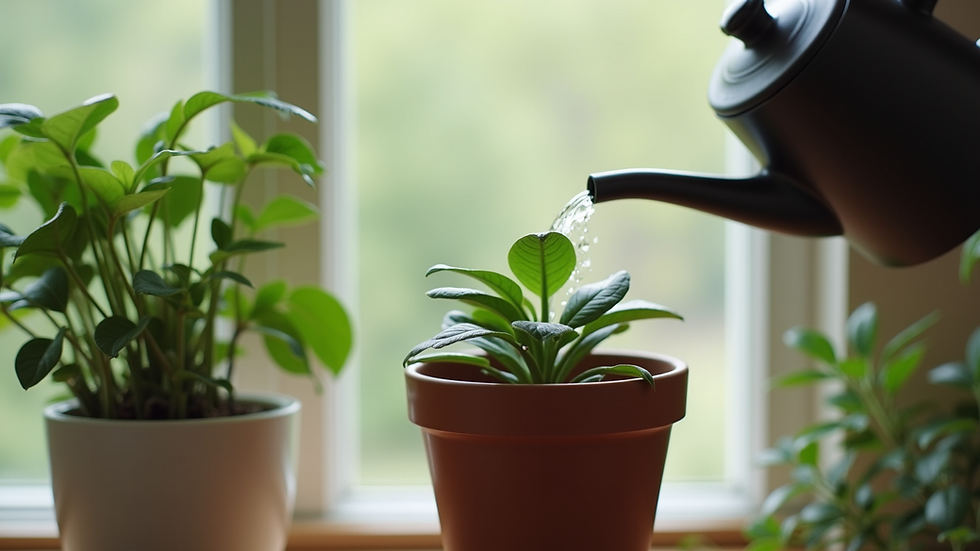
Watering is one of the most common questions for beginners. The frequency depends on the type of plant, pot size, soil, and environmental conditions like temperature and humidity. Here are some general guidelines:
Check the soil moisture: Stick your finger about an inch into the soil. If it feels dry, it’s time to water.
Water thoroughly: When watering, do so until water drains out of the bottom of the pot. This ensures the roots get enough moisture.
Avoid overwatering: Too much water can lead to root rot. It’s better to underwater slightly than to overwater.
Adjust watering in different seasons: Plants usually need less water in winter when growth slows down.
Some plants, like succulents and cacti, require watering only every few weeks, while tropical plants may need water more frequently.
Tips for Maintaining Healthy Leaves and Stems
Healthy leaves and stems are signs of a thriving plant. Here’s how to keep them in top shape:
Dust leaves regularly: Dust can block sunlight and reduce photosynthesis. Use a soft cloth or a gentle spray of water to clean leaves.
Prune dead or yellowing leaves: Removing damaged leaves helps the plant focus energy on new growth.
Support tall plants: Use stakes or plant supports to keep stems upright and prevent breakage.
Watch for pests: Common pests like spider mites, aphids, and mealybugs can damage leaves. Inspect plants regularly and treat infestations promptly with insecticidal soap or neem oil.
Healthy foliage not only looks good but also ensures your plant can photosynthesize efficiently.
Creating the Ideal Environment for Your Plants
Plants thrive when their environment mimics their natural habitat. Here are some ways to create the ideal conditions:
Light: Place plants near windows with filtered sunlight. South-facing windows usually provide the most light.
Temperature: Most houseplants prefer temperatures between 65-75°F (18-24°C). Avoid placing plants near drafts or heating vents.
Humidity: Increase humidity for tropical plants by grouping them together or placing a tray of water nearby.
Air circulation: Good airflow prevents mold and pests. Avoid overcrowding plants.
By paying attention to these factors, you can help your plants grow strong and healthy.
Learning More About Plant Care
If you want to deepen your knowledge, there are many resources available. One helpful way to learn is by exploring how to care for plants online. This can provide you with detailed guides tailored to specific plant types and conditions.
Remember, plant care is a journey. Each plant is unique, and with time, you will learn to understand their individual needs better. Enjoy the process and watch your indoor garden flourish!
By following these effective plant care tips for beginners, you will build confidence and create a thriving green space in your home. Happy planting!


Comments