5 Signs You Need to Repot Your Plant
- Nature Elegance
- Mar 17, 2025
- 4 min read
Taking care of indoor plants can be incredibly rewarding. They bring life to your space, improve air quality, and create a calming environment. But, just like any other living organism, plants require attention and care. One critical aspect of plant care is repotting. Knowing when to repot your plants is essential for their growth and health. In this blog post, we'll explore the top five signs that suggest you need to repot your plant.
Understanding the Importance of Repotting
Repotting is not just a matter of changing the potting soil. It involves transferring your plant to a new container that is more conducive to its growth. Here are some reasons why repotting is important:
Nutrient Supply: Over time, the potting mix can become depleted of nutrients. Fresh soil provides essential nutrients needed for growth.
Root Health: A cramped root system can hinder plant growth and health. Repotting gives roots more space to grow and thrive.
Preventing Pests: Old soil can harbor pests and diseases. Fresh soil reduces the risk.
By recognizing the signs that your plant needs repotting, you can ensure a longer, healthier life for your green companion.
Sign 1: Roots Are Emerging from the Drainage Holes
One of the most obvious signs that it's time to repot your plant is when you start to see roots emerging from the drainage holes in the bottom of the pot.
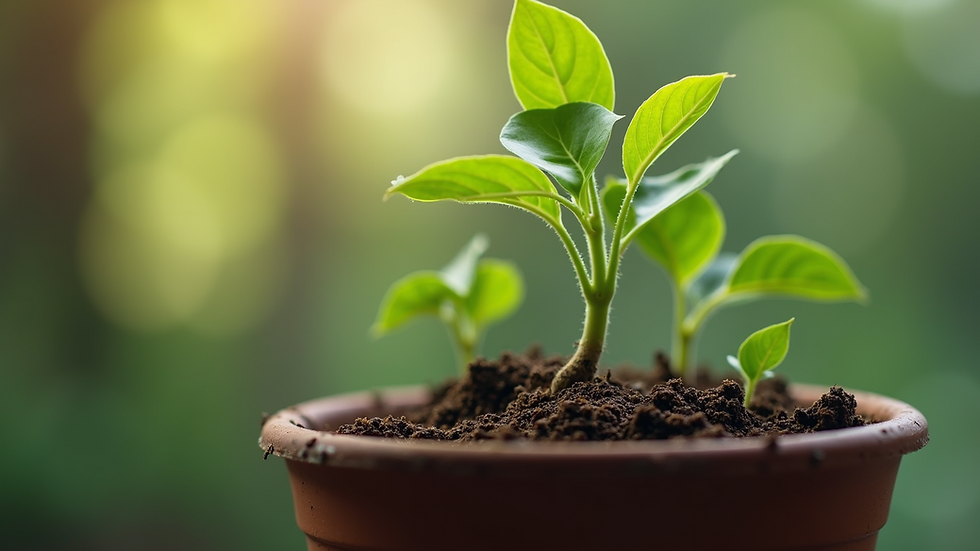
When this happens, it signifies that your plant has outgrown its current container. Roots that extend beyond the pot are attempting to find more space, which can lead to poor growth and overall plant health if not addressed promptly.
Tip:
If you observe roots poking through the drainage holes, it's time to think about a larger pot. Choose a pot that is 1-2 inches larger in diameter for most houseplants.
Sign 2: Soil Drains Too Quickly or Retains Too Much Water
The condition of the soil can be a clear indicator of when to repot your plant. If you notice that the soil is drying out extremely quickly or remains soggy for prolonged periods, it's a sign the roots may be taking up most of the space.

Healthy soil should have a balanced ability to retain moisture while also allowing for drainage. If the soil is too compacted, it can retain too much water, leading to root rot. On the other hand, dry soil can signal that the roots are too cramped to absorb moisture effectively.
Tip:
Stick your finger about an inch into the soil to assess moisture levels. If it’s parched even a day after watering, consider repotting to a more suitable potting mix.
Sign 3: Stunted Growth Despite Proper Care
Even with the right water, light, and nutrients, some plants may exhibit minimal or stunted growth. This condition often indicates that the plant's roots have hit a growth barrier due to lack of space.

In this scenario, the root system has likely become densely packed. When roots are crowded, they compete for space and nutrients, slowing down the plant’s growth. You may also notice that your plant has developed fewer leaves or smaller foliage.
Tip:
Evaluate your plant's size in relation to its pot. If it appears crowded and has not grown significantly over several weeks, it's time to upgrade its living conditions.
Sign 4: Yellowing Leaves and More Pests
Yellowing leaves can indicate many issues. One common cause is insufficient nutrients due to root overcrowding in pots. When roots can't access the nutrients they need, plants begin to show signs of stress, like yellow leaves.

You might also find that more pests are taking residence in your plant. This can occur when there is old, compacted soil. Decomposing organic matter in the soil attracts pests, which can hinder your plant's health even further.
Tip:
Check your plant regularly for signs of yellowing and pests. If you see that yellow leaves are coupled with a pot-bound root system, consider repotting and refreshing the soil.
Sign 5: Soil Has Become Compacted
Soil health is crucial for your plant's ability to absorb nutrients and water. Over time, potting soil can become compacted, especially if it is not properly aerated. Compacted soil leads to poor drainage and can stunt root growth.

Using a poke test, you can assess how compact your potting soil has become. If the soil feels hard and dense, it’s time to repot. Compacted soil prevents air from reaching the roots, and without proper aeration, your plant will struggle to thrive.
Tip:
When repotting, gently loosen the old soil from the roots and replace it with fresh, high-quality potting mix designed for your specific plant type.
Keeping Your Plants Thriving
Regular monitoring is crucial for keeping your plants healthy and vibrant. By being vigilant and looking for the signs mentioned above, you can take proactive measures to repot your plants when necessary. This simple act can help plants flourish and provide you with the beauty and joy they are meant to deliver.
Remember, repotting can be done during the growing season, typically in spring or early summer, when plants are more likely to recover quickly. Repotting not only enables your plants to grow larger but also adds vitality to your entire indoor garden.
For more tips on plant health and care, check out The Spruce for a wealth of information tailored to indoor gardening enthusiasts.
In summary, your plants depend on you not just for care but for the right environment to thrive. By paying attention to roots, soil condition, and overall growth, you can effectively manage their health and ensure they continue to bring greenery, joy, and fresh air into your home.


Comments