Best Allergy Repelling Plants
- Nature Elegance
- Mar 23, 2025
- 4 min read
Allergies can be a constant nuisance for many people, often flaring up with the change of seasons. However, did you know that certain plants can help mitigate these allergy symptoms? Incorporating allergy-repelling plants into your home or garden can not only beautify your space but also improve air quality and potentially reduce allergic reactions. This blog post will explore the best allergy repelling plants, their benefits, and effective tips for creating an allergy-friendly environment.
Understanding Allergies and Plants
Allergies occur when the immune system reacts to a foreign substance that it wrongly perceives as harmful. Common triggers include pollen, dust mites, and pet dander, among other allergens. Plants can play a significant role in allergy relief by improving indoor air quality and reducing the presence of allergens. Some plants can also increase humidity in the air, which helps alleviate dry skin and nasal passages, making it easier for allergy sufferers to breathe.
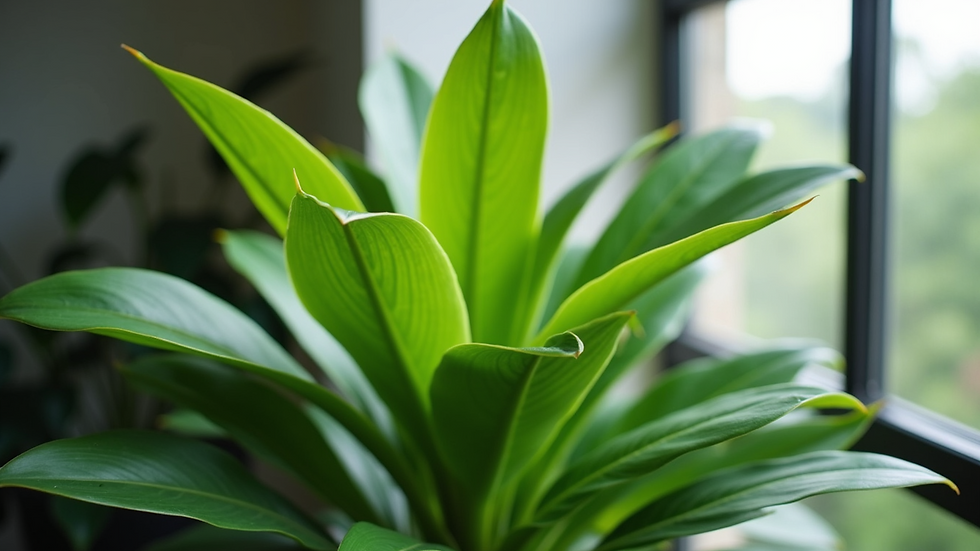
Top Allergy Repelling Plants
Spider Plant (Chlorophytum comosum)
The Spider Plant is not only a hardy indoor plant but also an effective air purifier. It is known for filtering toxins such as formaldehyde and xylene from the air. Besides, it requires minimal maintenance, making it perfect for busy individuals.
Bamboo Palm (Chamaedorea seifrizii)
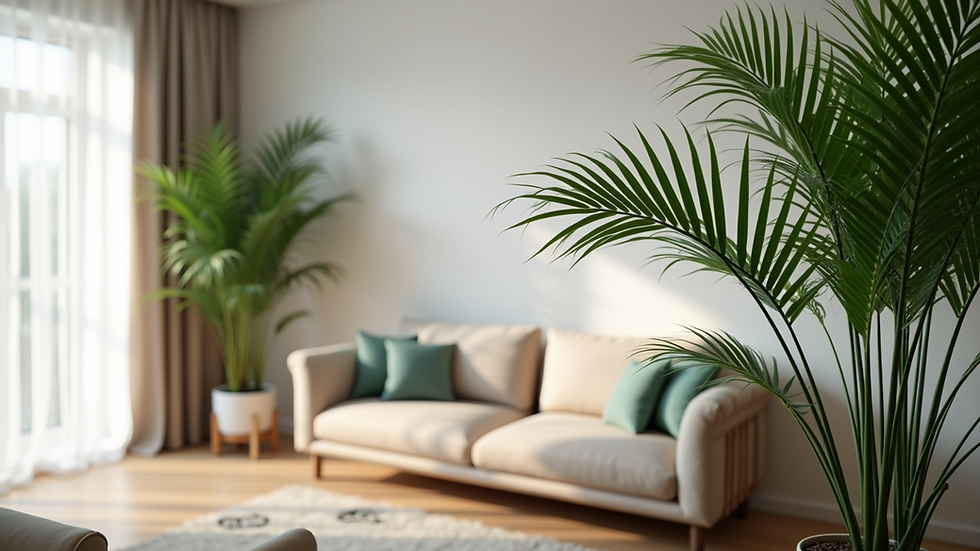
The Bamboo Palm excels in humidifying the air while removing harmful pollutants. This plant thrives in indirect sunlight and can grow up to 12 feet tall. Its ability to boost moisture levels can help alleviate allergy symptoms related to dry air.
Peace Lily (Spathiphyllum spp.)
Peace Lilies are known for their beautiful white flowers and ability to filter indoor air pollutants. They absorb harmful spores and can thrive in low light conditions. Additionally, keeping the soil slightly moist can improve humidity, making it beneficial for allergy sufferers.
Boston Fern (Nephrolepis exaltata)
Boston Ferns are not only decorative but also effective at trapping airborne particles and allergens. They thrive in humid environments, so they are an excellent choice for bathrooms or kitchens. Regular maintenance, such as misting the leaves, keeps them healthy and retains humidity levels.
Areca Palm (Dypsis lutescens)
This palm is renowned for its ability to absorb toxins and humify the air. The Areca Palm is perfect for indoor spaces since it can grow up to 6 feet tall and is pet-friendly. Its feathery foliage adds a tropical touch to your interior.
Creating an Allergy-Friendly Indoor Environment
In addition to choosing the right plants, consider these additional steps to create a healthier indoor environment:
Regular Cleaning: Dust and vacuum regularly to reduce the accumulation of common allergens like pet dander and dust mites.
Air Filters: Use HEPA filters in your air conditioning system or vacuum cleaners. They capture smaller particles efficiently, making the air cleaner.
Humidity Control: Keeping humidity levels between 30-50% can greatly reduce dust mites and mold spores.
Natural Cleaners: Use natural cleaning products to avoid introducing more chemicals into your indoor space.
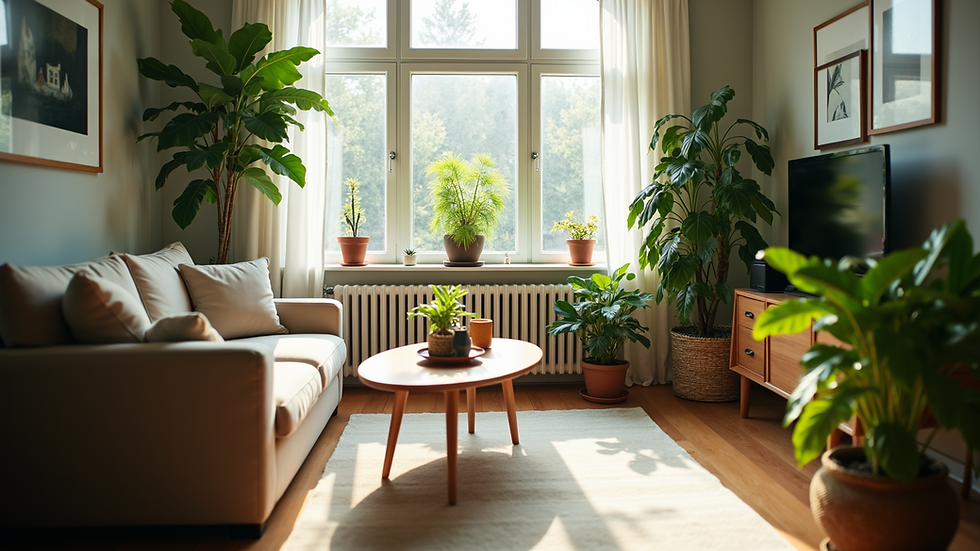
Maintenance Tips for Allergy-Repelling Plants
To ensure your allergy-repelling plants thrive, follow these simple care tips:
Watering: Over-watering can cause mold growth, while under-watering can stress the plant. Make sure to establish a consistent watering schedule based on the plant's needs.
Light Exposure: Each plant has different lighting requirements. Place them in areas where they can receive indirect sunlight and avoid direct exposure to harsh rays.
Fertilizing: Use natural fertilizers to promote healthy growth. Organic options can further minimize the introduction of harmful chemicals.
Pruning: Regularly trim dead or brown leaves to keep the plant healthy and improve air circulation.
Why You Should Choose Allergy-Repelling Plants
Integrating allergy-repelling plants into your home isn’t just about aesthetics. These plants can significantly contribute to your well-being. They actively filter allergens, boost oxygen levels, and may even enhance your mood and productivity through their presence. By choosing the right plants, you can create a sanctuary from seasonal allergies.
Including plants like the Spider Plant and Bamboo Palm in your indoor spaces can help generate a healthier environment for you and your family. Plus, the positive psychological effects of caring for plants can further improve your quality of life.
Get Started on Your Allergy-Friendly Garden Today
Now that you know about the best allergy-repelling plants, it’s time to take action. Start by selecting a few plants that resonate with your style and living situation. Research their specific requirements and slowly integrate them into your space.
Remember that regular upkeep is essential, so be prepared to set aside some time to care for your plants. As you create your allergy-friendly garden, you may find that your allergy symptoms begin to diminish while your indoor air quality improves.
Embracing indoor greenery can be both a therapeutic experience and a practical solution to allergy management. Every small step you take in enhancing your environment can lead to more significant health benefits.
In summary, allergy repelling plants can create a breathable sanctuary indoors. Whether it’s through improving air quality or adding humidity, these plants provide not just visual appeal but health-conscious benefits.
Happy planting!


Comments