Discovering the Different Varieties of Aloe Vera Plants
- Nature Elegance
- Mar 22, 2025
- 4 min read

Aloe vera is a popular succulent known for its healing properties and stunning appearance. This versatile plant not only adds a unique touch to any garden or indoor setting but also offers a plethora of benefits. From beauty products to medicinal uses, aloe vera has a rich history and a bright future. In this blog post, we will explore the various types of aloe vera plants, their characteristics, and practical tips to cultivate and care for them.
Understanding Aloe Vera
Aloe vera is often recognized for its thick, fleshy leaves that contain a gel-like substance praised for its soothing and healing properties. Originally native to the Arabian Peninsula, this resilient plant has traveled the world, adapting to various climates and becoming a staple in many households. There are several varieties of aloe vera, each with unique traits that cater to different climates, garden needs, and aesthetic preferences.
One of the most common varieties is Aloe vera barbadensis miller, which is the one most people refer to when they mention aloe vera. It is widely used in health and beauty products due to its effectiveness in skin care.
Common Varieties of Aloe Vera
Aloe Vera Barbadensis Miller
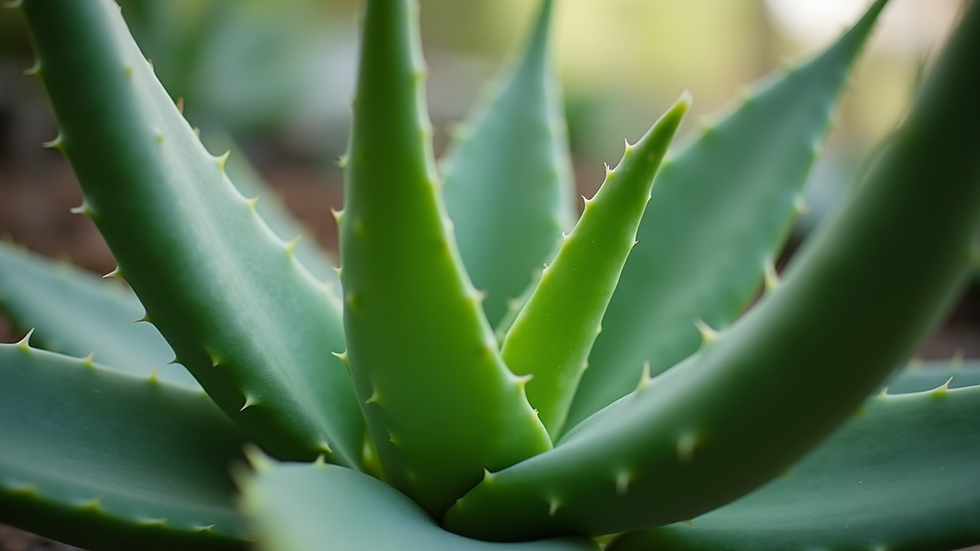
As mentioned above, Aloe vera barbadensis miller is the most commercially popular variety. The gel inside its leaves is a go-to for treating sunburns, cuts, and other skin irritations. It grows best in warm, dry climates and can tolerate some neglect, making it perfect for beginners. The thick, pointed leaves often feature light spots and can reach up to 3 feet tall.
Aloe Vera Saponaria
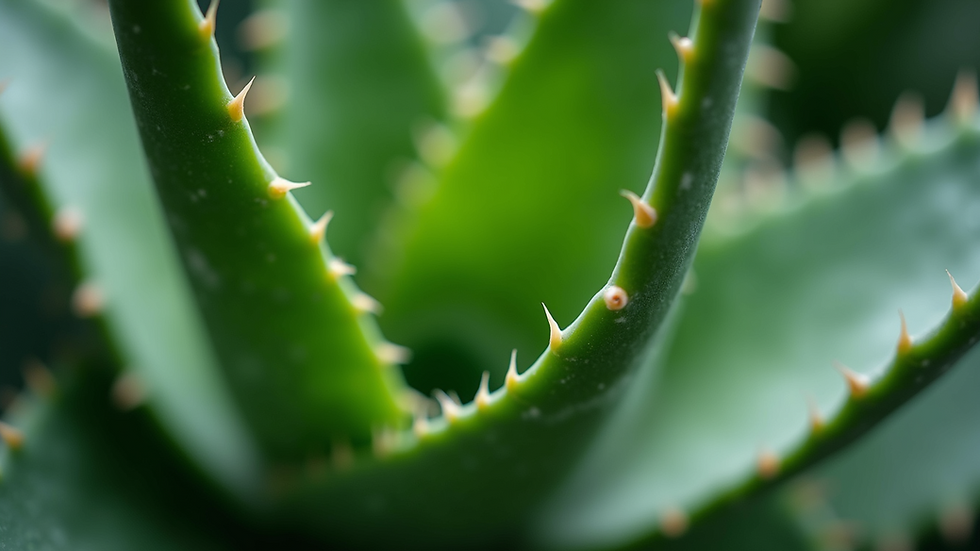
Another variety is Aloe saponaria, also known as soap aloe. This type has broad, flat leaves that are green with white stripes. It can grow up to two feet tall and is often used in landscaping for its striking appearance. While the gel isn't as commonly used in skincare products, this plant produces a soap-like substance when the leaves are crushed, which makes it a popular choice for natural cleansers.
Aloe Vera Ferox
Ferox is another fascinating variety often found in the wilds of South Africa. Known as the bitter aloe, it has tall, slender leaves that are sharp and jagged along the edges. The gel from this plant has strong purgative properties and is often used in traditional medicine. Though it is not primarily grown for ornamental purposes, it does add an architecture-like feature to gardens with its imposing height and dramatic appearance.
Aloe Vera Arborescens
Arborescens, or tree aloe, is known for its tree-like structure that can reach heights of up to 6 feet. It produces beautiful clusters of orange flowers, attracting a variety of birds and pollinators. This variety is particularly valued in traditional medicine for its powerful healing properties, especially when it comes to treating respiratory issues and enhancing immune function.

Aloe Vera Maculata
Also known as the variegated aloe, Aloe maculata features spiky leaves with white spots that make it visually stunning. It tends to stay smaller in size and is perfect for container gardening or as an accent plant. The gel from this variety is also used for skincare, although less commonly than others. Its decorative appeal and hardiness make it a favorite for indoor plant enthusiasts.
Cultivating and Caring for Aloe Vera
Ideal Growing Conditions
When growing aloe vera, it’s vital to provide the right environment. These plants thrive in bright, indirect sunlight, so placing them near a window is ideal. However, direct, harsh sunlight can scorch their leaves.
Soil is also a crucial factor; use a well-draining potting mix, preferably formulated for succulents. They do not tolerate standing water, so ensure that pots have drainage holes to prevent root rot.
Watering Your Aloe Vera
Aloe plants require minimal watering. Typically, they only need water every two to three weeks, allowing the soil to dry out completely between waterings. Over-watering is one of the leading causes of aloe vera plant failure, so it's better to underwater than to overwater.
Fertilizing Aloe Vera
To encourage healthy growth, use a low-nitrogen fertilizer during the growing season—spring and summer. Most aloe vera plants do not need much fertilization, as they can thrive on the nutrients available in the soil.
Health Benefits of Aloe Vera
Aloe vera is famous for its health benefits. Besides its soothing properties for burns and cuts, it is also known to have anti-inflammatory effects and aid digestion. Consuming aloe vera juice can contribute to better gut health and hydration. However, it's important to consult with healthcare professionals before starting any new remedy.
Using aloe vera in beauty routines is also gaining popularity; its hydrating properties can help with acne, dry skin, and sun damage.
Incorporating Aloe Vera into Your Wellness Routine
If you're considering introducing aloe vera into your daily routine, here are some practical tips:
Topical Use: Apply pure aloe vera gel directly onto the skin for calming relief from burns or irritation.
Smoothies and Juices: Blend small amounts of aloe vera gel into smoothies for a refreshing health boost.
Hair Care: Use aloe vera gel as a natural conditioner to moisturize and enhance shine.
Your Next Steps
Aloe vera plants are a delightful addition to any home or garden. With their striking appearance and numerous benefits, they are a great choice for both novice and experienced plant lovers. When selecting a variety, consider what fits best with your home’s climate and your aesthetic preferences.
Remember to place your aloe vera in the proper light, provide minimal water, and you can enjoy the beauty and benefits of these remarkable plants.
With so many varieties available, exploring the world of aloe vera can open doors to new possibilities for gardening and wellness. Embrace the versatility of these plants, and you may just find a new passion in indoor or outdoor gardening.


Comments