First Time Plant Parent: What You Need to Know
- Nature Elegance
- Mar 23, 2025
- 4 min read
Becoming a plant parent for the first time can be both exciting and overwhelming. There are countless options and decisions to make when it comes to caring for your green friends. Whether you want to add greenery to your home, improve air quality, or simply enjoy the beauty of plants, understanding the basics is crucial. This guide provides all the essential information every first-time plant parent should know, ensuring your journey into plant parenthood is a successful one.
Choosing the Right Plants for Beginners
When starting your plant collection, it’s important to choose plants that are known for being low-maintenance and forgiving. Succulents, pothos, snake plants, and spider plants are great choices for beginners.
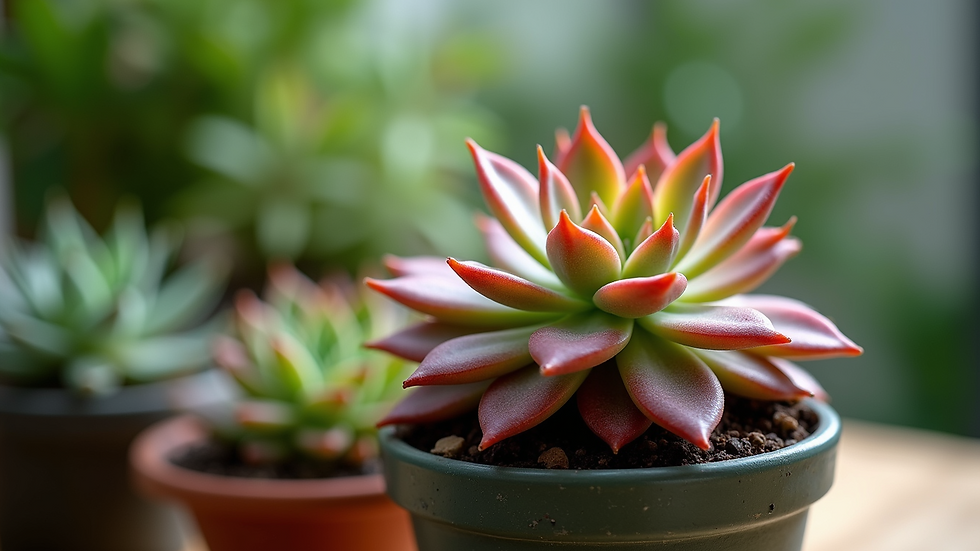
Succulents are perfect for those who may forget to water their plants occasionally. They thrive in bright light and require watering only when the soil is completely dry.
Pothos is another easy-care plant. It can tolerate low light and can even thrive in a variety of conditions. This climbing plant is praised for its ability to survive with little water and can grow long vines, making it perfect to hang or trail.

Snake plants are excellent for improving indoor air quality. They are virtually indestructible and can endure neglect and low light.
Overall, select plants that suit your lifestyle and environment to ensure a healthy relationship with your plant family.
Light and Water Requirements
Understanding light requirements is crucial for your plant's health. Each plant species has different light preferences, ranging from direct sunlight to low-light conditions.
For example, succulents prefer bright, direct sunlight, while pothos can grow in indirect light. Make sure to place your plants in the right spot based on their lighting needs.
Watering techniques also vary among plants. It’s important to remember that overwatering is a common mistake among new plant parents. Most indoor plants prefer to dry out a bit between waterings. One effective method is to check soil moisture by sticking your finger into the soil. If it feels dry up to about an inch deep, it’s time to water.

Essential Tools for Plant Care
Having the right tools can make a significant difference in the health of your plants. Here are some must-have tools for every first-time plant parent:
Watering can: A small watering can with a narrow spout allows for precise watering, helping you avoid overwatering your plants.
Soil moisture meter: This handy device measures the moisture level in your plant’s soil, taking the guesswork out of watering.
Pruning shears: Use these to trim dead or yellowing leaves and encourage new growth. Keeping your plants clean also helps prevent pests and diseases.
Plant food: Depending on the type of plants you have, you may need to fertilize them during the growing season, which is typically from spring to fall.
Potting soil: Ensure you’re using high-quality potting soil that provides good drainage and nutrients.
These tools will not only make maintaining your plants easier but will also help you learn more about their specific needs.
Common Plant Problems and Solutions
Every plant parent encounters problems at some point, but the key is to identify and address them promptly. Here are some common issues along with easy solutions:
Yellowing leaves: This can be a sign of overwatering or poor drainage. Ensure your pot has drainage holes and let the soil dry out before watering again.
Brown leaf tips: This might indicate underwatering or low humidity levels. If you live in a dry climate, consider using a humidifier or misting the leaves occasionally.
Pests: Watch for common pests like spider mites, aphids, or mealybugs. Early intervention can save your plants. Use insecticidal soap or neem oil treatment to combat infestations.
Leggy growth: If your plant appears to be stretching toward light, it might not be getting enough. Move it closer to a light source or consider rotating it to encourage even growth.
Staying observant and proactive when you notice changes in your plant will enhance your experience as a new plant parent.
Creating the Perfect Environment
Plants thrive in environments that mimic their natural habitats. Here are a few tips to create a welcoming space for your plants:
Temperature: Most houseplants prefer temperatures between 65-75°F (18-24°C). Avoid placing them near drafts, heaters, or air conditioning vents.
Humidity: Many houseplants originate from tropical climates and enjoy higher humidity. You can increase humidity by placing a humidifier nearby, grouping plants together, or placing a tray of water near your plants.
Location: Assess where to place your plants for optimal growth. Consider factors such as light exposure, temperature, and the potential for obstacles (furniture or pets).
By tailoring your plant's environment, you can help them flourish and enhance your space with a touch of nature.
Enjoying the Benefits of Plant Parenting
Beyond just aesthetics, becoming a plant parent offers numerous benefits. Studies have shown that having plants indoors can improve air quality, boost mood, and enhance productivity.
Caring for plants can also reduce stress and create a sense of responsibility and accomplishment. The joy of watching your plants grow and thrive can be hugely rewarding.
Incorporating plants into your living space creates a calm, inviting environment, allowing you to escape from the fast-paced world around you and connect with nature indoors.
Tips for Long-Term Plant Care Success
To maintain a healthy plant collection in the long run, keep these tips in mind:
Learn about each plant: Understanding the specific needs and care for each plant will ensure they thrive. Researching their original habitats will provide valuable insights into their care.
Be patient: Plants need time to adjust to their environment. Don’t worry if your plant doesn't grow as quickly as you'd expect. Every plant develops at its own pace.
Go slowly: It’s easy to get carried away and buy too many plants at once. Start with a few manageable plants and expand your collection gradually as you gain confidence.
Document your journey: Consider maintaining a plant journal where you can record your observations, the care provided, and any issues faced. This can help you refine your plant care skills over time.
Stepping into plant parenthood can be an enriching experience filled with challenges and triumphs. Embrace the journey and enjoy every moment with your leafy companions. Happy gardening!


Comments