Flowers to Plant in Spring: Your Essential Guide
- Nature Elegance
- Mar 26, 2025
- 3 min read
Spring is the perfect time to breathe life into your garden or brighten up your home with vibrant flowers. With the warm weather returning, plants awaken from their winter slumber, making it an ideal season for planting. In this article, we’ll explore the best flowers to plant in spring that will not only enhance your garden's aesthetic but also provide a delightful fragrance and attract beneficial pollinators.
Understanding Your Growing Zone
Before diving into specific flowers, it's essential to understand your USDA Plant Hardiness Zone. This zone determines which plants are likely to thrive based on your local climate. Different flowers have varying needs regarding sunlight, soil, and water. Knowing your zone helps you choose the right flowers that will flourish in your area.

If you're unsure about your growing zone, you can find more information on the USDA Plant Hardiness Zone Map [link].
Popular Flowers for Spring Planting
There are numerous options for flowers that can bring a burst of color to your garden. Here are some popular choices:
1. Pansies
Pansies are one of the first flowers to bloom in spring. They come in a wide range of colors and are affordable. What's more, they are hardy and can withstand cooler temperatures, making them perfect for early spring planting.
2. Tulips
Tulips are iconic spring flowers that bring elegance to any landscape. Available in various colors and sizes, they are easy to grow. Plant tulip bulbs in well-drained soil, and they will reward you with beautiful blooms in late spring.
3. Daffodils
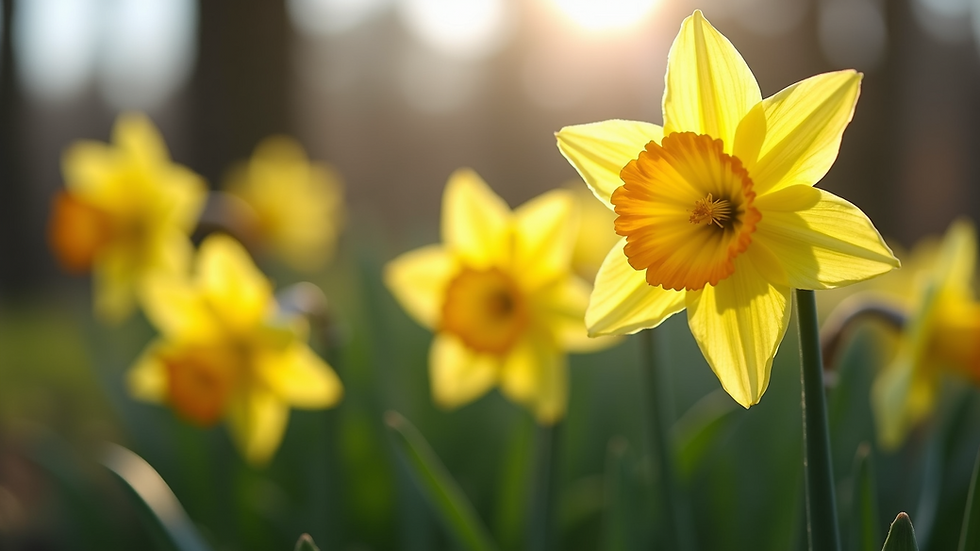
Daffodils are another springtime favorite. With their trumpet-shaped flowers and bright yellow hues, they symbolize the arrival of spring. These bulbs are also low-maintenance and deer-resistant, making them an excellent choice for any garden.
4. Snapdragons
For those looking for tall, colorful flowers, snapdragons are an ideal option. They bloom in early to mid-spring and come in various shades, making them suitable for borders or cutting gardens. Snapdragons attract bees, butterflies, and other beneficial insects, encouraging pollination.
5. Cosmos
Cosmos flowers are perfect for adding a wildflower feel to your garden. They thrive in sunny spots and poor soil, making them hardy plants. These flowers are known for their vibrant colors and airy appearance, attracting pollinators while requiring minimal maintenance.
Tips for Planting and Caring for Spring Flowers
Planting is just the beginning. Here are some action steps to ensure your flowers thrive:
Soil Preparation
Before planting, ensure the soil is well-drained and nutrient-rich. Test your soil pH and amend it with organic matter if necessary. Adding compost can help improve soil structure and provide essential nutrients.
Watering
Watering is crucial during the initial growth phase. Newly planted flowers require consistent moisture. However, avoid overwatering, as this can lead to root rot. A general rule of thumb is to water early in the morning when temperatures are cooler.
Deadheading and Pruning
Once flowers begin to wilt, it's essential to deadhead them. This process involves removing spent blooms, encouraging the plant to produce more flowers. Pruning also helps shape plants, allowing for better airflow and sunlight penetration.

The Benefits of Planting Flowering Plants
Besides aesthetic appeal, planting flowers has numerous advantages. Flowers attract beneficial insects, produce oxygen, and can even improve mental health. Annotating your garden with colorful flowers has been linked to reduced stress and increased happiness.
Additionally, many flowering plants also attract pollinators, essential for the ecosystem. These creatures, including bees and butterflies, play a vital role in pollinating food crops and maintaining biodiversity.
Keeping Your Garden Healthy
Caring for your flowers doesn't stop at watering and deadheading. Here are additional best practices to keep your garden healthy and thriving:
Mulching
Applying a layer of mulch can help retain moisture, suppress weeds, and maintain an even soil temperature. Opt for organic mulch, like wood chips or straw, as it breaks down over time, enriching the soil.
Regular Maintenance
Regularly inspect your garden for pests or diseases. Early detection is crucial for managing issues before they escalate. Use organic pesticides if necessary, and seek solutions that are safe for pollinators and beneficial insects.
Final Thoughts on Spring Florals
As you embark on your spring planting adventure, remember that patience is vital. Flowers may take time to grow and bloom, but the results are worth it. Choose flowers that suit your taste, garden style, and local conditions. Invest time in their care, and you'll be rewarded with a vibrant, thriving space.
Transforming your garden with flowers is not only fulfilling but also contributes positively to your environment. So, grab your gardening tools, and start digging!
By planting flowers suited to your local climate, you ensure a blooming garden throughout the spring season. Happy planting!
Feel free to download our gardening checklist to keep track of your planting journey. Happy gardening!


Comments