Grow Your Own Garden: A Step-by-Step Guide
- Nature Elegance
- Sep 19, 2025
- 4 min read
Starting your own garden can be an incredibly rewarding experience, whether you dream of growing fresh vegetables, fragrant herbs, or beautiful flowers. Gardening allows you to connect with nature, provides a source of fresh produce, and can even reduce your carbon footprint. This guide will take you through each step of growing your own garden, suitable for beginners and experienced gardeners alike.
Understanding Your Space
Before diving into planting, it's crucial to understand the space you have available. Assess whether you will be gardening indoors or outdoors, as each requires different considerations.
For outdoor gardening, consider factors like sunlight, soil quality, and climate. In Idaho, you may have a range of climate conditions to consider, from cold winters to warm summers. A soil test could be beneficial to determine pH levels and nutrient content.
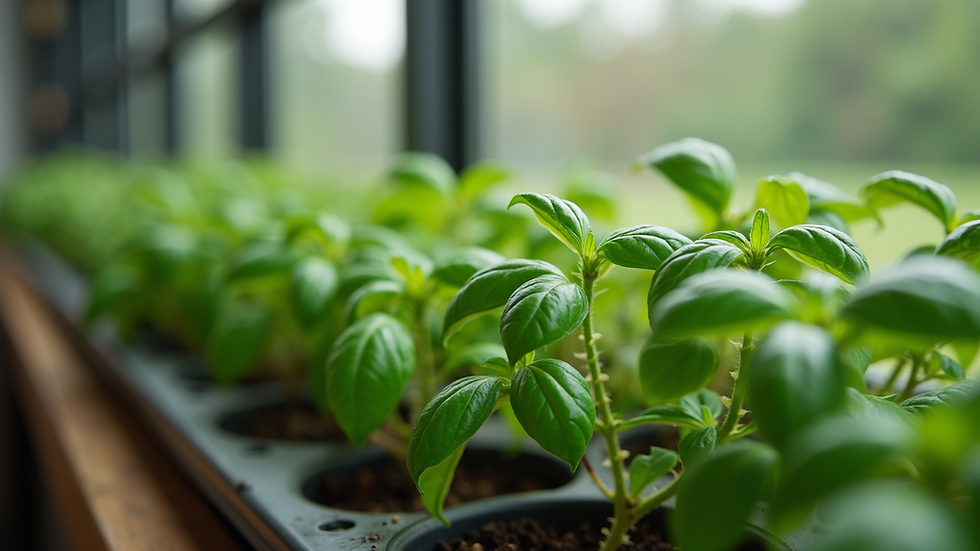
For indoor gardening, select a location that gets good sunlight, preferably near a window. Some herbs can thrive in low-light conditions, making them ideal for kitchens or dining areas.

Planning Your Garden
Choose Your Crops
Once you’ve assessed your space, it’s time to choose what to grow. If you're a beginner, start with easy-to-grow vegetables and herbs like tomatoes, peppers, basil, and lettuce.
Consider the growing season in Idaho. You can typically start planting cool-season vegetables like spinach and peas in early spring. Warm-season vegetables like corn and tomatoes can be planted after the last frost.
Layout and Design
Plan how you will arrange your plants. For outdoor gardens, consider raised beds or traditional rows. For indoor gardening, you might explore container options. Vertical gardening can save space while providing sunlight access to all plants.
You can use a simple garden planner to sketch your design. This will help ensure adequate spacing, which is vital in keeping plants healthy as they grow.
Preparing the Soil
Outdoor Gardening
Prepare your soil by tilling and adding organic matter, such as compost or well-rotted manure. This improves soil structure and provides nutrients.
Soil pH: Aim for a pH of 6.0 to 7.0 for most vegetables. You can adjust pH with sulfur to lower it or lime to raise it.
Drainage: Ensure your soil drains well. Poor drainage can lead to root rot and other problems.
Indoor Gardening
For indoor plants, choose high-quality potting soil that retains moisture and drains well. Consider using organic soil mixes that contain natural ingredients. If you are using containers, make sure they have drainage holes to prevent overwatering.

Planting Your Seeds or Seedlings
Timing is Everything
Follow the seed packets for planting depth and spacing. Generally, it’s recommended to plant seeds at a depth of two to three times their size.
For indoor gardening, starting seeds in small pots can give you a head start. Transplant them to larger pots once they've outgrown their space. If you are using seedlings, transplant them outside when they are strong enough to withstand outdoor conditions.
Watering
Water your seeds immediately after planting. Keep the soil consistently moist but not waterlogged, as this can lead to disease. Using a spray bottle or garden mist can be helpful for delicate young plants.
Caring for Your Garden
Regular Maintenance
Regular maintenance is essential for a thriving garden.
Weeding: Remove weeds regularly to reduce competition for nutrients and water.
Mulching: Apply a layer of organic mulch to conserve moisture and suppress weeds.
Fertilizing: Consider using organic fertilizers like compost tea or fish emulsion to boost plant health.
Pest Management
Monitor your plants for pests. If you encounter issues, consider natural pest control methods, such as introducing beneficial insects (like ladybugs) or using neem oil.
Avoid chemical pesticides, especially if you are practicing organic gardening. Regular inspections and prompt action can prevent small infestations from becoming a serious problem.
Harvesting Your Crops
When to Harvest
Timing your harvest is crucial for ensuring maximum flavor and nutrition. Each vegetable and herb has its specific harvesting time:
Leafy Greens: Harvest when they are young and tender.
Tomatoes: Best when they are fully colored and slightly soft to the touch.
Herbs: Trim leaves often to encourage growth and prevent flowering.
Storing Your Harvest
After harvesting, store your vegetables and herbs properly to maintain freshness. Most vegetables can be refrigerated, while herbs can be stored in water like flowers or dried for future use.
Embracing Sustainable Gardening
One of the most rewarding aspects of gardening is the ability to practice sustainability.
Composting: Composting kitchen scraps and yard waste not only reduces landfill waste but also enriches your garden soil.
Native Plants: Consider incorporating native plants that require less water and are better suited to your local climate.
Water Conservation: Implement drip irrigation or rain barrels to minimize water use.
By choosing organic practices, you can grow your own produce without harmful chemicals, supporting a healthy ecosystem.
Your Gardening Journey
Gardening is not just about growing food—it's about a lifestyle that's in tune with nature. Taking the time to cultivate your own garden can lead to a fulfilling journey of learning and growth.
As you dig in, remember to enjoy the beauty of the process, the scent of fresh herbs, and the taste of homegrown vegetables. Your efforts will be rewarded with a bountiful, sustainable garden that you can take pride in!
Embrace the joys of gardening today, and discover the myriad of benefits it brings.
---
This guide should serve as an informative foundation for anyone looking to start their own garden, whether indoors or outdoors. Happy gardening!


Comments