Herbs to Plant Your Own Tea Garden
- Nature Elegance
- Mar 17, 2025
- 4 min read

Creating your own tea garden is not only a delightful hobby but also an opportunity to grow your favorite herb-infused brews right at home. The beauty of a tea garden lies in its accessibility and the variety of herbs you can cultivate. If you're a gardening enthusiast or a tea lover, this guide will walk you through the best herbs to plant, their benefits, and practical tips for cultivation.
Why Grow Your Own Tea Garden?
Growing your own tea garden allows you to handpick herbs that resonate with your palate. It ensures you have fresh, organic ingredients at your disposal. The act of growing and nurturing plants can also be therapeutic, promoting mental well-being. Additionally, it's a fantastic way to save money in the long run. Imagine sipping on a soothing chamomile tea after a long day, knowing you grew the herbs yourself.
The Best Herbs to Include in Your Tea Garden
When it comes to selecting herbs for your tea garden, the possibilities are endless. However, some herbs stand out for their flavor profiles and health benefits. Here is a list of the best herbs to consider planting in your tea garden:
1. Chamomile
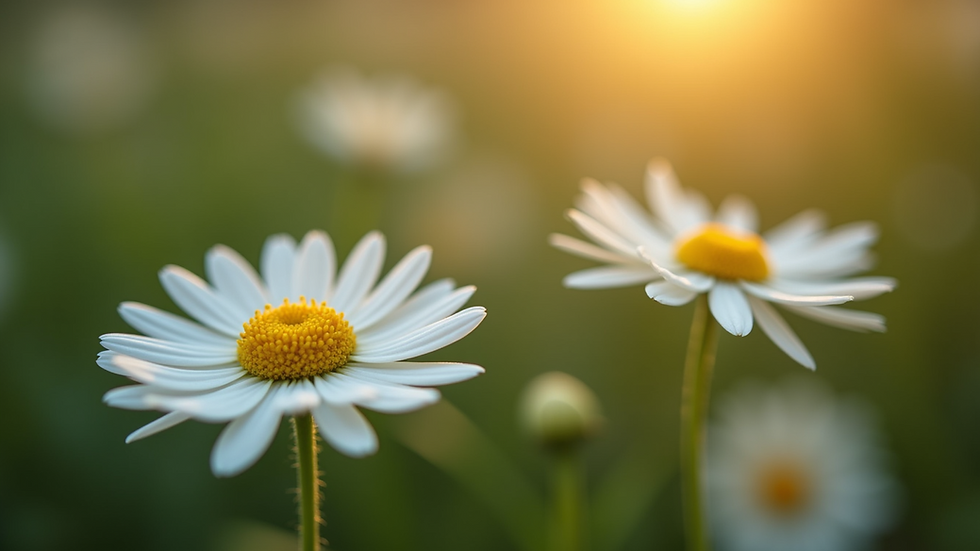
Chamomile is renowned for its calming properties. This daisy-like flower produces a tea that helps with sleep and relaxation. It has anti-inflammatory properties and aids in digestion, making it a staple in herbal teas.
Growing Tip: Chamomile thrives in well-draining soil and full sunlight. Plant seeds early in the spring, and you'll be rewarded with beautiful white flowers by summer.

2. Peppermint
Peppermint is a refreshing herb that elevates any tea experience. It is known for its ability to soothe digestive issues and relieve headaches. Mint tea is often used to cool down during hot summer days.
Growing Tip: Peppermint loves moisture and partial shade. It can spread rapidly, so consider planting it in pots to control growth.
3. Lemon Balm
Lemon balm is another herb that offers a bright, citrusy flavor. It not only enhances tea but also has calming properties that can help reduce stress and anxiety. This herb is also believed to improve sleep quality.
Growing Tip: Lemon balm grows well in well-drained soil and partial shade. It can be harvested multiple times in a season, so keep it trimmed for fuller growth.
4. Lavender
Lavender brings an aromatic touch to your tea garden. Its floral and slightly sweet flavor can promote relaxation and restful sleep. Lavender tea can also aid in alleviating headaches.
Growing Tip: Lavender prefers sandy, well-drained soils and full sunlight. Trim back the plants after flowering to encourage bushier growth.
5. Sage
Sage has a unique, earthy flavor and is often used in herbal blends. It is known for its anti-inflammatory and antioxidant properties, making it a healthy addition to any tea garden.
Growing Tip: Sage prefers well-draining soil and full sun. It requires minimal watering once established.
Health Benefits of Home-grown Herbs for Tea
Not only does gardening provide physical activity, but herbs have numerous health benefits. For instance, chamomile helps with sleep, peppermint uplifts mood, and lemon balm can reduce anxiety. Growing your own herbs ensures that you have unlimited access to these health-enhancing plants.
Nutritional Considerations
When you cultivate your own tea herbs, you can rest assured knowing what you are consuming. Home-grown herbs can be fresher and packed with nutrients compared to store-bought alternatives. Moreover, they are free from pesticides and chemicals that often compromise health.
How to Cultivate Your Tea Herbs Successfully
Growing a tea garden requires planning and the right techniques. Here are some actionable tips to ensure your greenery flourishes:
Choose the Right Location: Herbs generally prefer sunny spots. Select a garden area that receives at least 6 to 8 hours of sunlight each day.
Soil Preparation: Herbs thrive in well-draining, sandy soils. You can improve your soil by adding compost or organic matter, which also enriches the nutrients.
Watering: While herbs need water, over-watering can be detrimental. Water your plants deeply but infrequently, allowing the soil to dry out between waterings.
Mulching: Applying a layer of mulch around your plants can help retain moisture and suppress weeds. Organic materials like straw or wood chips are excellent choices.
Pest Management: Keep an eye out for pests, which can be common in herb gardens. Introduce beneficial insects like ladybugs or use natural pest deterrents to protect your plants.
Harvesting: Regularly harvest your herbs to promote growth. Additionally, the more you harvest, the fresher your tea will be. Ensure you only cut what you need, leaving enough for the plant to continue thriving.

The Joy of Brewing Your Own Herbal Tea
Once you've grown your herbs, brewing your own tea can be a rewarding experience. Start with fresh leaves—about 1-2 teaspoons of dried herbs or 3-4 teaspoons of fresh herbs per cup of boiling water is a good standard. Allow the tea to steep for 5-10 minutes, depending on the desired strength. Sweeten with honey or lemon if you wish, and enjoy the fruits of your labor.
Embark on this delightful journey of cultivating your own tea garden. You’ll savor not just the taste of your homegrown brews but also the satisfaction of nurturing life.
Explore More and Get Started Today!
If you’re ready to dive in and grow your very own tea garden, start planning today. Consider which herbs you'd like to experiment with and explore local gardening tips. Every cup will serve as a reminder of your hard work and dedication.
With the right herbs, cultivation tips, and a touch of love, your selected herbs will flourish, rewarding you with aromatic and flavorful teas for seasons to come. Start your tea garden today, and indulge in the tranquil experience of sipping tea brewed from your own herbs. Happy gardening!


Comments