How to Start a Moon Garden: A Beginner’s Guide to Nighttime Botanical Magic
- Nature Elegance
- Aug 2, 2025
- 4 min read

Creating a moon garden is a captivating way to transform your outdoor space into an enchanting nighttime sanctuary. It's a unique opportunity to unwind and connect with nature, particularly after the sun sets. This guide will explore how to start your moon garden, appealing to both novice and seasoned gardeners, as well as indoor plant lovers who seek inspiration for nighttime aesthetics.
Understanding Moon Gardens
Moon gardens are specifically designed to bloom at night with plants that emit white or pale-colored flowers. These flowers reflect the moonlight beautifully and create a dreamy atmosphere. The design is ideally completed with soft lighting and fragrant plants, inviting nature into your evening rituals.
Benefits of a Moon Garden
Before dashing off to gather supplies, let’s discuss the benefits of a moon garden:
Enhances Evening Relaxation: A garden thriving with soft fragrances and soothing sights can dramatically improve your nighttime relaxation.
Encourages Wildlife: Night-blooming flowers attract nocturnal pollinators like moths, thus supporting local ecosystems.
Promotes Creativity: Designing your moon garden inspires creativity and can deepen your connection to nature.
extends Garden Use: The beauty of a moon garden means your outdoor space can be enjoyed well into the evening.

Step-by-Step Guide to Starting Your Moon Garden
Now, let's dive into how to create your moon garden step-by-step, making sure to offer value to every reader—whether you’re just starting out or have extensive gardening experience.
1. Choose the Right Location
Start by selecting a suitable location. Your moon garden should be visible from windows or outdoor seating areas to ensure you can enjoy its beauty. Consider the following:
Exposure to moonlight: A clear view of the night sky is essential.
Proximity to a seating area: Make it inviting with chairs or loungers where you can unwind.
2. Plan Your Design
Designing your moon garden doesn’t have to be complicated. Here are some layout ideas:
Curved Pathways: Use gravel or stepping stones to create soft, flowing paths that enhance the natural feel.
Layering Plants: Add height by placing taller plants in the back and shorter ones in the front.
Mixing Textures: Incorporate different foliage types for visual interest, such as feathery ferns beside sturdy hydrangeas.
3. Choose Night-Blooming Plants
Selecting the right plants is crucial for creating a moon garden. Consider options that thrive in your climate, and opt for plants that release fragrance at night. Here’s a list to get you started:
Night-Blooming Jasmine (Cestrum nocturnum): Produces intensely fragrant flowers.
Moonflower (Ipomoea alba): Opens at dusk and features large, white blossoms.
Evening Primrose (Oenothera biennis): Offers yellow flowers that bloom in the evening.
White Lilies (Lilium): Their stunning flowers retain a lovely perfume at night.

4. Incorporate Garden Lighting
Lighting is vital for transforming your moon garden into an enchanting evening oasis. Here are some ideas to consider:
Solar Path Lights: These lights guide you through the garden and are eco-friendly.
Fairy Lights: Drape them around plants or along pathways to create a soft, magical glow.
Lanterns: Hang lanterns from trees or place them on tables to highlight specific garden features.
5. Add Seasonal Interest
Plan your garden to accommodate flowers that bloom at different times during the year. This ensures continual interest. For hot seasons, consider adding annuals, while perennials can guarantee a consistent base. Align your selections with local climate zones for the best results.
6. Create Relaxing Areas
Include cozy spots for relaxation, which resonate with Nature Elegance’s mission of connecting individuals to a greener lifestyle. Here’s how:
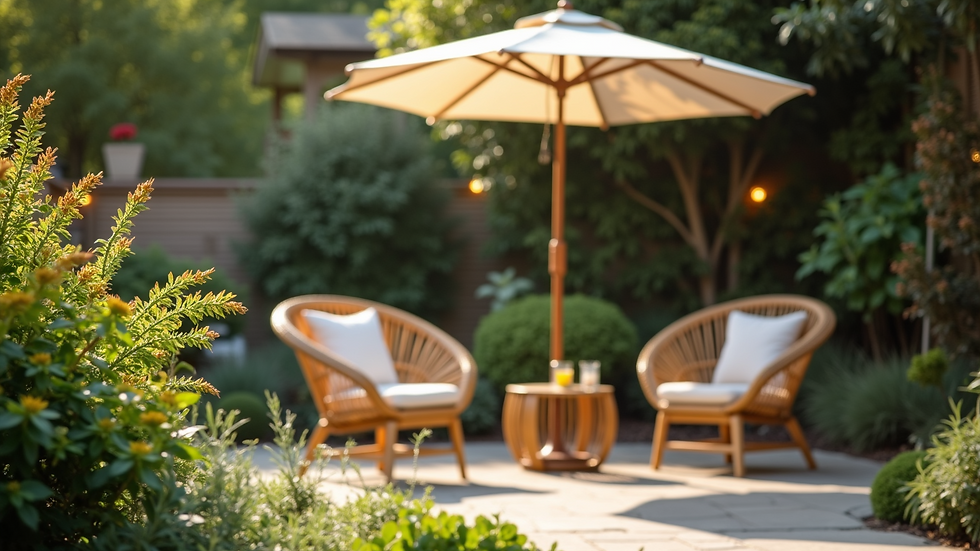
Seating: Add comfortable outdoor furniture like hammocks or cushioned benches.
Water Features: Consider small fountains or birdbaths—these can enhance serenity with soothing sounds.
Firescape: A firepit can add warmth on cooler nights while providing a gathering spot for friends and family.
Caring for Your Moon Garden
Now that your moon garden is established, care and maintenance are essential for keeping it vibrant and thriving. Remember these actionable tips:
Watering: Ensure plants receive adequate moisture, especially during dry spells. Water in the evening to minimize evaporation.
Pruning: Regularly prune dead or unhealthy foliage to encourage growth and aesthetics.
Fertilizing: Use an organic fertilizer to promote healthy blooming, especially during peak growing seasons.
Designing for Nighttime Relaxation
Creating an ambiance in your moon garden goes beyond merely planting flowers. Here are additional tips to enhance your nighttime atmosphere:
Fragrance: Incorporate plants with soothing scents like lavender or chamomile that relax the senses.
Wind Chimes: Add a few wind chimes for gentle music that complements the natural sounds of nocturnal creatures.
Soft Textiles: Use outdoor cushions, throws, and rugs to create inviting spots for relaxation and conversation.
Final Thoughts
Starting a moon garden is a gratifying endeavor that combines creativity, botanical knowledge, and a love for nature. Whether you are a beginner or seasoned green thumb, this project allows you to immerse yourself in an enchanting experience under the stars.
By carefully selecting plants, designing unique layouts, and creating inviting spaces, you’ll connect with nature in a way that enhances relaxation and joy at night. As you embark on this journey, remember to celebrate each small achievement and embrace the beauty your moon garden brings to your life.
With this guide in hand, you're now equipped to create a dreamlike haven of tranquility. May your moon garden flourish and provide endless evenings of inspiration and relaxation!


Comments