March Springtime To-Do List for Plants
- Nature Elegance
- Mar 26, 2025
- 4 min read

As the chill of winter starts to fade, March ushers in the vibrant beginnings of spring. This is the perfect time to prep your garden, nurture your indoor plants, and embrace the season of growth. Whether you’re a seasoned gardener or just getting started, there’s plenty to do to get your plants ready for the warmer months ahead. Let's dive into the essential tasks for your March springtime plant care.
Assess Your Garden Space
Before plunging headfirst into garden activities, take a moment to assess your outdoor space. Walk through your garden. Look for any damage caused by winter weather, such as broken branches or fallen leaves. Make a note of areas that need attention.
Clear Debris: Start by cleaning up leaves, branches, and other debris. Removing this clutter not only improves the appearance of your garden but also reduces the risk of pests and diseases.
Evaluate Soil Condition: Check the soil condition in your planting areas. Is it compacted? Does it drain well? You may need to aerate the soil to allow water and nutrients to penetrate better. Consider adding organic matter like compost to enrich the soil.
Plant Early Bloomers
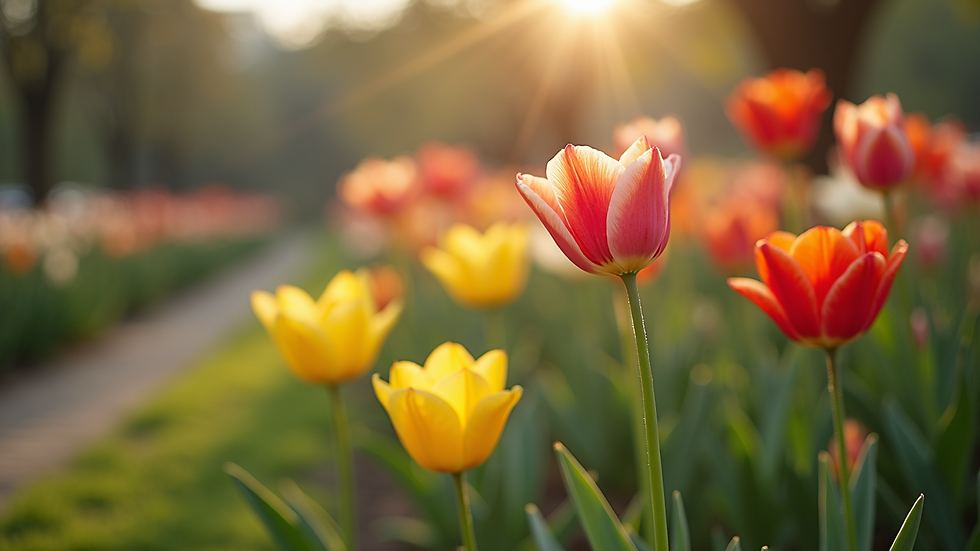
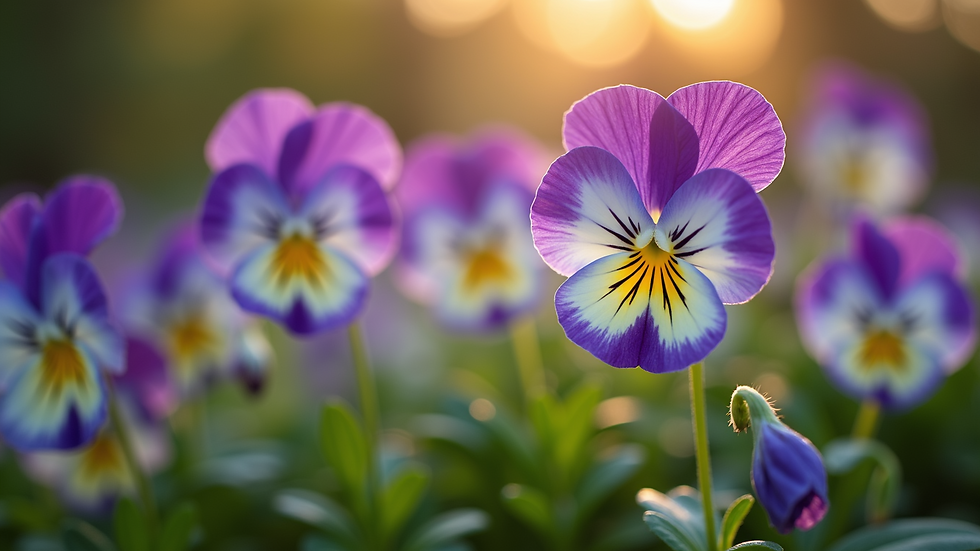
March is an excellent time to plant early bloomers. Consider flowers like pansies, primroses, and snapdragons to add color to your garden. These hardy annuals can withstand a bit of chill and will provide vibrant color as other plants start to wake up.
Choose the Right Spot: Ensure that your chosen plants have the correct light requirements, whether full sun or partial shade. Check your garden layout before planting.
Follow Planting Guidelines: Always follow planting instructions for depth and spacing. This will help ensure your plants flourish.
Don't forget to water them gently right after planting, as this will help settle the soil around their roots.
Start Seeds Indoors
If you’re keen on growing your own flowers or vegetables, March is the right month to start seeds indoors. This method gives your plants a head start before the outdoor planting season.
Select Your Seeds: Choose seeds for plants you enjoy. Tomatoes, peppers, and various herbs are great options.
Prepare Seed Trays: Use seed trays filled with potting soil. Make sure to label each tray to avoid confusion later on.
Provide Light and Warmth: Ensure they are in a bright location or under grow lights. Most seeds thrive at a temperature of 70–75°F.
Water them regularly, keeping the soil moist but not soggy, to foster healthy germination.
Division and Transplanting
March is an ideal month for dividing and transplanting perennials. This process not only encourages new growth but also allows you to rejuvenate crowded plants.
Identify Plants to Divide: Look for plants that have become overcrowded or have a dead center. Hostas, daylilies, and irises are good candidates.
Use Proper Tools: Gather a spade, garden fork, and pruners. Wet the soil around the plant to make digging easier.
Replant Promptly: Once divided, replant the sections promptly in a well-prepared area. Water them thoroughly to help settle the soil.
Fertilizing Your Plants
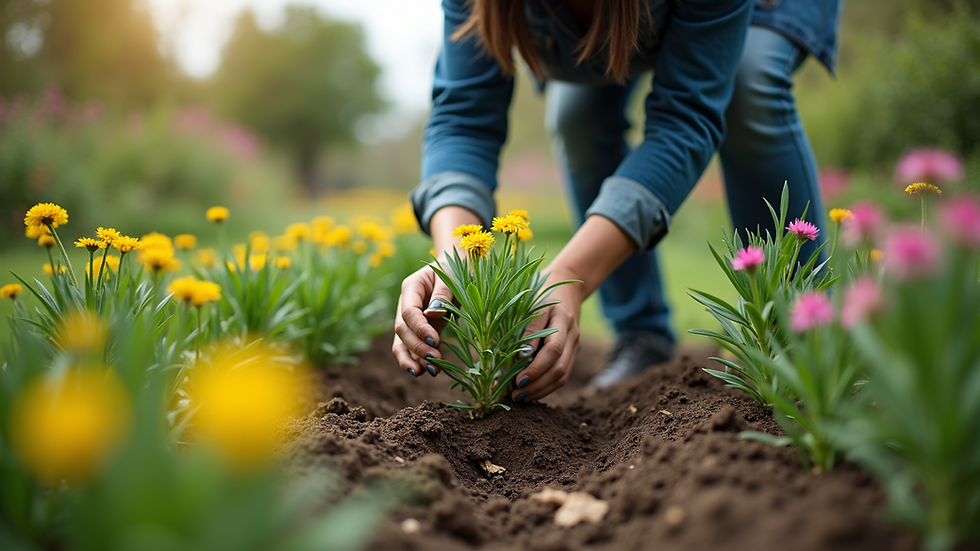
As your plants begin to grow, they will require nutrients. This makes March a prime time for fertilizing.
Select the Right Fertilizer: Choose a slow-release fertilizer for your garden beds or a liquid fertilizer for container plants. Look for one that indicates it’s suitable for the types of plants you’re growing.
Apply Evenly: Spread the fertilizer evenly according to the package instructions. Over-fertilizing can harm your plants more than help them.
Water After Feeding: Water the plants after applying fertilizer to help it soak into the soil.
Regular Maintenance
With the new growth comes the need for regular maintenance. Set a schedule for watering, weeding, and monitoring for pests and diseases.
Watering: Early spring may bring rain, but be prepared to water if there’s a dry spell. Young plants especially need consistent moisture.
Weeding: Keep an eye out for pesky weeds. Remove them promptly to avoid competition for nutrients and space.
Pest Monitoring: Regular inspection for pests can save your plants from potential disasters. Use natural remedies or consult with an expert if you see any infestations.
Enjoy and Plan Ahead
Spring is about growth, renewal, and enjoying the beauty of nature as it comes alive. Take time to enjoy your garden, spend time outdoors, and plan for future plantings. Consider what you’d like to grow in the coming months, from summer flowers to your fall harvest.
Keep a Journal: Document what you plant, when, and how they perform. This will help you improve your gardening skills and plan for next year.
Explore New Varieties: Don’t hesitate to try something new. Research plants that attract pollinators or those that thrive in your unique climate.
Community Engagement: Join local gardening groups or online forums to exchange tips and ideas.
By following this March springtime to-do list for plants, you will set the stage for a flourishing garden for the rest of the year. With some preparation and care, your plants will thrive beautifully through the seasons ahead. Happy planting!


Comments