Natural Bug Repelling Plants: Your Garden's Best Defense
- Nature Elegance
- Mar 25, 2025
- 4 min read

As summer rolls in, so do the pesky bugs that can ruin your outdoor enjoyment. Rather than reaching for chemical repellents, why not consider incorporating natural bug repelling plants into your garden? These plants not only add beauty to your landscape but also serve a dual purpose: keeping insects at bay. In this blog post, we’ll explore several effective bug-repelling plants, how they work, and tips for using them effectively.
The Benefits of Using Natural Bug Repelling Plants
Natural bug repelling plants offer several advantages over synthetic products. First, they are environmentally friendly and safe for pets and children. Many common insecticides contain harmful chemicals that can have adverse effects on your health and the surrounding ecosystem. Moreover, growing these plants helps promote biodiversity in your garden, fostering habitats for beneficial insects.
Additionally, many of these plants can co-exist with your favorite flowers and vegetables. By carefully choosing companion plants, you can create a harmonious ecosystem that protects your garden from harmful pests.

Lavender: A Beautiful Ally
One of the most popular natural bug repelling plants is lavender (Lavandula). The strong scent of lavender is known to repel mosquitoes, moths, and flies.
When planted in your garden, lavender not only offers a vibrant splash of purple but also thrives in sunny, well-drained soil. For best results, plant lavender near outdoor seating areas or entrances to keep bugs at bay while you enjoy the fresh air.
It’s not just about aesthetics; lavender is also a fantastic ingredient in homemade sachets and essential oils. You can use dried lavender to repel moths by placing them in your wardrobe or pantry.

Marigolds: The Pest Control Champion
Marigolds (Tagetes) are another fantastic option. Their bright colors not only attract humans but also beneficial insects. Yet, they are particularly effective at repelling common pests like aphids, nematodes, and whiteflies.
The secret behind marigolds is their natural compounds that can disrupt insect life cycles. Plant marigolds throughout your vegetable garden or near your house to maximize their benefits. Their strong scent keeps unwanted insects away while attracting pollinators necessary for vegetable production.
Citronella: Nature’s Bug Spray
Citronella is a well-known natural bug repellent. Often used in candles and sprays, citronella grass (Cymbopogon nardus) offers an excellent defensive line against mosquitoes and other biting insects.
For those living in warmer climates, growing citronella grass in pots can be a perfect choice. When the leaves are crushed, they release oils that emit a strong scent, making them a natural insect repellent. Place pots around patios or decks to create a bug-free oasis.
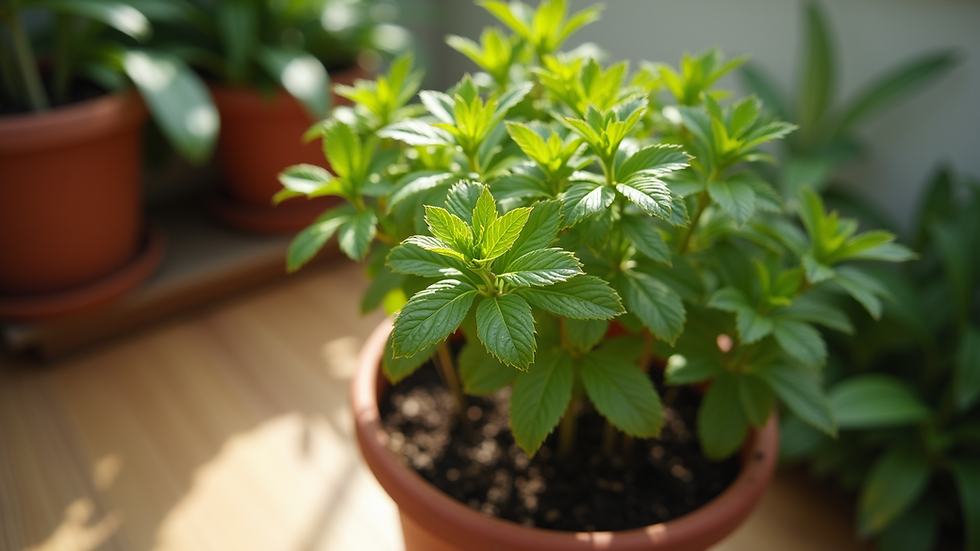
Rosemary: Culinary Herb with Benefits
Rosemary (Rosmarinus officinalis) is more than just a flavorful herb for cooking; it’s also effective in deterring insects. Its strong aroma can repel mosquitoes and other pests, making it an ideal companion for vegetable gardens.
Rosemary thrives in sunny spots and requires well-drained soil, which makes it perfect for containers or garden beds. You can even make a natural bug spray using rosemary essential oil, diluted in water. This homemade solution can be either sprayed on your skin or around your outdoor spaces for a pleasant scent and bug protection.
Considerations for Planting
When incorporating these natural bug-repelling plants into your garden, consider your local climate and soil conditions. Not all plants thrive in every environment. It’s essential to select varieties that will grow well in your particular area for optimal effectiveness.
Additionally, grouping these plants together can enhance their repellent properties. For example, plant lavender and rosemary side by side to bolster their effectiveness. Remember, a diverse garden attracts beneficial insects that can help control pest populations naturally.
How to Create Your Bug-Repelling Garden
Creating a bug-repelling garden isn’t just about planting the right plants. Here are some practical tips to ensure your garden thrives while keeping pests at bay:
Choose the Right Location: Select a sunny spot for your bug-repelling plants. Most of these plants need full sun to grow healthy and strong.
Maintain Healthy Soil: Use organic compost and mulch to nourish your plants. Healthy plants are more resilient against pests.
Water Wisely: Overwatering can lead to root rot and attract unwanted pests. Water your plants at the base to keep the leaves dry.
Harvest Regularly: Harvesting leaves and flowers encourages growth and maximizes the plants' defensive qualities.
Mix with Other Plants: Pair bug-repelling plants with vegetables and flowers that may attract pests. This combination works to confuse and deter insects.
Additional Natural Repellents
In addition to the plants mentioned, you might also consider:
Peppermint (Mentha × piperita): Its scent can repel mosquitoes and ants.
Catnip (Nepeta cataria): Studies show that catnip is even more effective than DEET in repelling mosquitoes.
Basil (Ocimum basilicum): Not only used in cooking, it can keep flies, mosquitoes, and other insects at bay.
Incorporating a variety of plants will maximize your garden's defenses against pests while providing diverse beauty and functionality.
The Power of Aromatherapy
In your journey of natural pest control, don’t underestimate the power of aromatherapy. Using essential oils derived from these plants can amplify their effectiveness. For example, you can create an essential oil blend using lavender or citronella oil and dilute it with a carrier oil for a natural skin application. This not only repels bugs but also offers soothing scents for relaxation.
Final Thoughts on Your Bug-Repelling Journey
Choosing natural bug repelling plants is a sustainable approach to enjoying the outdoors. These plants not only ward off pests but can also enhance the beauty and biodiversity of your garden. Whether it's fragrant lavender or vibrant marigolds, each plant brings something special to your garden ecosystem.
Embrace the power of nature in your gardening and outdoor experience. With a little care and consideration, you’ll find that natural solutions often provide the best results. Let's protect our spaces naturally and enjoy the outdoors free from annoying insects!


Comments