Natural Ways to Fertilize Houseplants
- Nature Elegance
- Mar 17, 2025
- 4 min read
Indoor gardening is an enjoyable and fulfilling hobby, and nurturing your houseplants with the right nutrients is key to their success. Many indoor gardeners are turning to natural and eco-friendly methods to fertilize their plants. This approach not only promotes a healthy indoor environment but also protects the planet. In this blog post, we will explore effective natural fertilizers, share some DIY recipes, discuss the benefits of using these methods, and provide practical application tips. Let's dive into the world of natural houseplant care!
Understanding Natural Fertilizers
Natural fertilizers come from organic sources like plants, animals, or minerals, which means they release nutrients slowly and support soil health. Unlike chemical fertilizers, which can harm our environment and degrade soil quality over time, natural options enhance microbial activity and improve soil structure. This leads to healthier plants that thrive in a well-balanced environment.
Benefits of Using Natural Fertilizers
There are several reasons to switch to natural fertilizers for your houseplants:
Environmentally Friendly: Natural fertilizers reduce pollution and lower the risk of chemical runoff, making them safe for the ecosystem.
Improved Plant Health: Organic fertilizers feed the soil, not just the plants, promoting robust root systems and higher resistance to diseases.
Sustainability: Using renewable resources strengthens the nutritional cycle and reduces waste. Composting kitchen scraps and yard waste is a classic example.
Cost-Effectiveness: Many natural fertilizers can be made from everyday household items, saving money on store-bought alternatives.

DIY Natural Fertilizer Recipes
Creating your own natural fertilizers is both simple and rewarding. Here are three DIY recipes that can help your houseplants flourish:
Recipe 1: Banana Peel Fertilizer
Banana peels are loaded with potassium, phosphorus, and calcium, promoting flower and fruit production.
Ingredients:
2-3 banana peels
1-2 cups of water
Instructions:
Chop the banana peels into small pieces.
Place them in a blender with water and blend until smooth.
Pour the mixture into your potted plants once a month for a nutrient boost.
Recipe 2: Coffee Grounds Fertilizer
Used coffee grounds add nitrogen and also improve soil structure. They are particularly good for acid-loving plants like azaleas and roses.
Ingredients:
Used coffee grounds (fresh or dried)
Instructions:
Gather your used coffee grounds and let them dry for a bit, if necessary.
Sprinkle a thin layer of grounds on the soil surface of your houseplants.
Mix them into the top layer of soil to help prevent mold.
Recipe 3: Eggshell Calcium Booster
Eggshells are an excellent source of calcium, which is essential for cell structure in plants and aids in disease prevention.
Ingredients:
4-5 clean, dried eggshells
Instructions:
Rinse and dry the eggshells to remove any residue.
Crush the eggshells into a fine powder.
Mix the powder into the soil of your plants or steep in water for a week and use the water to water your plants.

How to Apply Natural Fertilizers
Applying natural fertilizers takes practice and observation. Below are some practical tips to ensure the best results:
Timing Matters: Fertilize during the growing season (typically spring and summer) when plants are actively absorbing nutrients. Avoid fertilizing during dormancy in fall and winter.
Moderation is Key: Even organic fertilizers can harm plants if over-applied. Start with smaller amounts, observe how your plant responds, and adjust as necessary.
Mixing Techniques: Combine different types of natural fertilizers for a more balanced approach. For instance, you can switch between coffee grounds and banana peel fertilizer bi-weekly.
Dilution: If using liquid fertilizers, dilute them with water to prevent burning the roots. A good rule of thumb is to use a 1:5 ratio of fertilizer to water.
Observation: Watch your plants closely after fertilizing. Look for signs of growth or distress. If you see yellowing leaves or less growth, consider reducing the quantity or frequency of application.
Additional Eco-Friendly Fertilizer Options
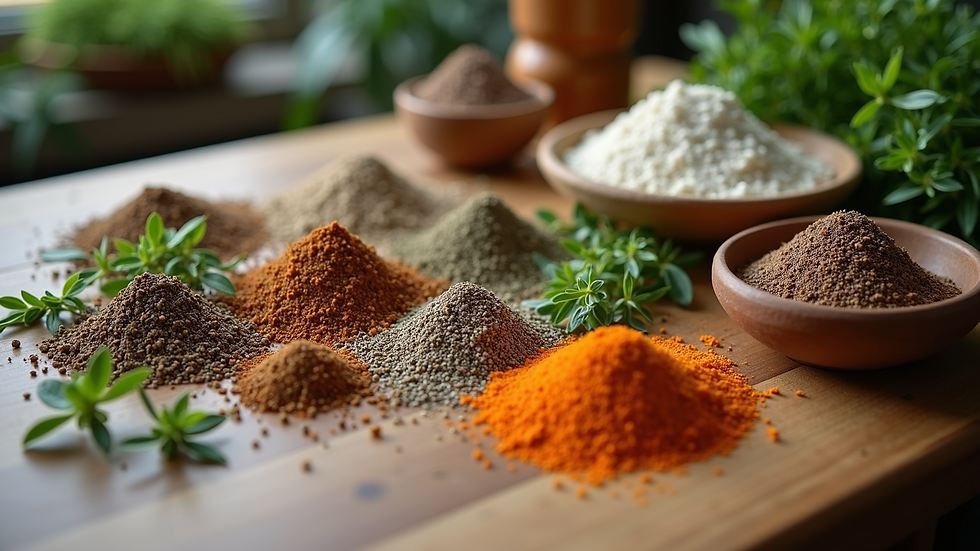
While DIY recipes are a fantastic way to fertilize your plants, consider other natural items as well. For example:
Compost: Create your own compost from kitchen scraps, yard waste, and paper. This nutrient-rich supplement improves soil quality and feeds your plants.
Worm Castings: Also known as vermicompost, worm castings provide a balanced option for feeding houseplants while enhancing soil aeration and water retention.
Seaweed Extract: Seaweed is rich in micronutrients and promotes plant growth. Look for organic seaweed fertilizers that you can dilute and use in your watering routine.
Final Thoughts on Natural Fertilization
Embracing natural ways to fertilize houseplants brings a multitude of benefits while being conscious of our impact on the environment. Not only do these methods encourage healthier plants, but they also enhance the overall quality of your indoor environment. By using readily available, eco-friendly materials, you can cultivate a thriving indoor garden that reflects both beauty and sustainability.
Remember, the journey of indoor gardening is unique to each individual. Take the time to experiment with different natural fertilizers and find the combinations that work best for your plants' needs. Happy gardening!


Comments