Pruning Tips I Wish I Knew Sooner
- Nature Elegance
- Nov 26, 2025
- 4 min read

Pruning is one of the most crucial aspects of plant care that can significantly affect the health and growth of your garden. As gardeners and plant enthusiasts, we often aim for lush greenery and beautiful blooms, but our plants can only thrive with the right care. Having learned this through countless hours in the garden, I’d like to share some essential pruning tips I wish I knew sooner. Whether you’re a beginner or an experienced gardener, these tips will help you prune effectively for healthier, more vibrant plants.
Understanding Essential Pruning Techniques
Pruning involves the selective removal of certain parts of a plant, such as branches, buds, or roots, to improve its growth, shape, and overall health. There are several techniques that can help you perform effective pruning:
Thinning: This technique removes entire branches to enhance air circulation and light penetration, encouraging healthy growth. It’s ideal for dense plants or shrubs.
Heading Back: This method involves cutting back a portion of a branch to a bud or lateral branch, promoting bushier growth. It’s particularly effective for many flowering plants.
Pinching: Especially useful for flowering plants, pinching involves removing the tip of a stem with your fingers to encourage branching.
Rejuvenation Pruning: For overgrown or neglected plants, this method involves cutting back old growth substantially, allowing new growth to emerge.

Understanding these techniques can help you choose the right one for your plant's specific needs, leading to better health and productivity.
Timing is Everything
Knowing when to prune is just as important as knowing how to prune. Timing can vary by plant type, so understanding the life cycle of the plants in your garden is crucial.
Deciduous Trees and Shrubs: These plants should generally be pruned in late winter when they are dormant. This timing reduces stress on the plant and encourages vibrant growth in spring.
Spring-flowering Plants: Prune these immediately after flowering to avoid cutting off next season’s buds. For example, certain lilacs and forsythias should be pruned right after blooming.
Summer-flowering Plants: These can be pruned in late winter or early spring before new growth begins. Examples include hibiscus and some varieties of roses.
Evergreens: Most evergreen plants can be pruned in late spring or early summer. However, avoid heavy pruning as it can damage the plant’s structure.

Understanding specific plant needs helps ensure you don’t hinder blooming or growth cycles. Research your plants or consult local garden centers for tailored advice.
Choosing the Right Tools
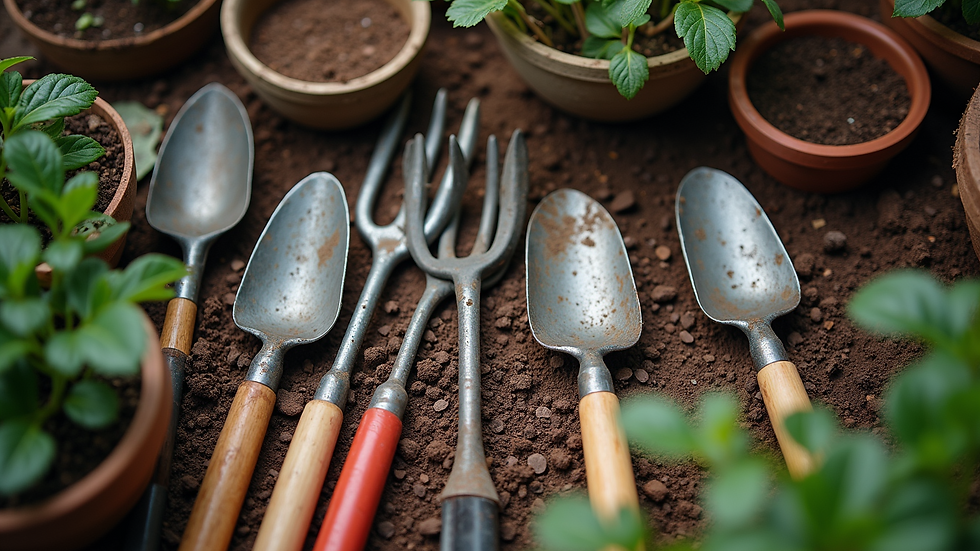
Having the right tools for pruning can make a world of difference in your gardening experience. Here are some essential tools to consider:
Bypass Pruners: Ideal for cutting thin branches and stems, they provide a clean cut that minimizes damage to the plant.
Loppers: These are like long-handled pruners, suited for thicker branches. They provide leverage and reach without straining your back.
Pruning Saw: For larger branches, a pruning saw is an essential tool, providing a clean cut that encourages healing.
Hedge Shears: Best for shaping and maintaining hedges, they can help achieve a uniform look.
Gloves: Protective gloves will shield your hands from sharp thorns and branch edges.
Using the right tool not only increases efficiency but also helps avoid damage to both the plant and yourself. Keeping tools clean and sharp will also ensure better cuts.
Common Pruning Mistakes to Avoid
As with any skill, there are common mistakes that can hinder your pruning efforts. Here are a few pitfalls to watch out for:
Over-pruning: This is a common mistake, especially among beginners. Pruning too much can stress the plant and reduce its ability to produce flowers and fruit.
Bad Cuts: Making improper cuts can leave jagged edges that are slow to heal. Ensure you cut at a 45-degree angle just above a bud or node to encourage healthy growth.
Ignoring Plant Type: Different plants require different pruning techniques and timing. Familiarize yourself with each plant's specific needs before you prune.
Not Sanitizing Tools: Using tools without proper cleaning can transfer disease from one plant to another, compromising plant health. Wipe your tools with rubbing alcohol between cuts to prevent this.
Pruning at the Wrong Time: Timing is critical for effective pruning. Cutting a spring-blooming plant in the fall can remove blooms for the following year.
Avoiding these mistakes can save you time and effort while ensuring your plants flourish.
The Benefits of Proper Pruning
When executed correctly, pruning can offer numerous benefits for both the plant and the gardener. Proper pruning can lead to:
Improved Air Circulation: Reduces the chances of mold and pest infestations, promoting healthier plants.
Increased Flowering and Fruit Production: By removing old or dead growth, you create room for new growth that produces more flowers and fruits.
Enhanced Plant Structure: Pruning encourages a fuller shape, improving the aesthetic appeal of your garden.
Longer Plant Life: Regular pruning can strengthen a plant and extend its lifespan by improving overall health.
Pruning is not just a chore; it is an essential practice that contributes significantly to the long-term health of your garden. By implementing these techniques and avoiding common mistakes, you will undoubtedly see a positive transformation in your plants.
Final Thoughts on Pruning
Every gardener knows that practice makes perfect. The tips shared here are designed to guide you in establishing effective pruning practices that will encourage healthy and vibrant plants. With the right techniques, timing, and tools, plus awareness of common mistakes, you can ensure that your plants receive the best care possible.
Remember, pruning is a skill you develop over time; don’t be discouraged by early mistakes. Enjoy the process and watch your garden flourish as you implement these essential pruning tips.
Embrace the art of pruning; your garden will thrive, and you’ll gain invaluable experience along the way. Happy gardening!


Comments