The Ultimate Guide to Christmas Cactus Care, Blooming Tips, and Unique Characteristics
- Nature Elegance
- Jun 30, 2025
- 4 min read

The Christmas Cactus, scientifically known as Schlumbergera, is a beloved holiday plant that graces homes with its vibrant, colorful blooms during the festive season. Unlike traditional cacti, which are adapted to arid environments, the Christmas Cactus thrives in humid, tropical conditions, making it a delightful addition to your home. In this blog post, we will explore the care requirements, blooming tips, and unique features of this enchanting plant.
Understanding the Christmas Cactus
The Christmas Cactus is a succulent that belongs to the Cactaceae family. Originating from the cloud forests of Brazil, it is known for its flat, segmented stems and beautiful pendant-shaped flowers that bloom around the holiday season. These plants are different from the prickly cacti commonly found in deserts; instead, they thrive in a more humid environment.

Care Requirements for a Thriving Christmas Cactus
Light and Temperature
The Christmas Cactus prefers bright, indirect light. Direct sunlight can scorch its leaves, causing damage to the plant. A well-lit room away from direct sun is ideal. In terms of temperature, it thrives in a range of 60-70°F (15-21°C) during the day and slightly cooler at night. Protect it from drafts and sudden temperature changes.
Watering Needs
One of the most important aspects of caring for a Christmas Cactus is understanding its watering needs. Unlike other cacti, it prefers to be kept relatively moist. Water your plant when the top inch of the soil feels dry. Use room-temperature water and ensure that excess water drains freely to avoid root rot. During the flowering season, keep the soil consistently moist but not soggy.
Soil and Potting
Choosing the right soil mix is crucial for the health of your Christmas Cactus. A well-draining potting mix is recommended, which can be made from equal parts potting soil, coarse sand, and perlite. This mix encourages good drainage, preventing water from sitting around the roots. Additionally, a pot with drainage holes is essential to avoid overwatering issues.
Unique Characteristics of the Christmas Cactus
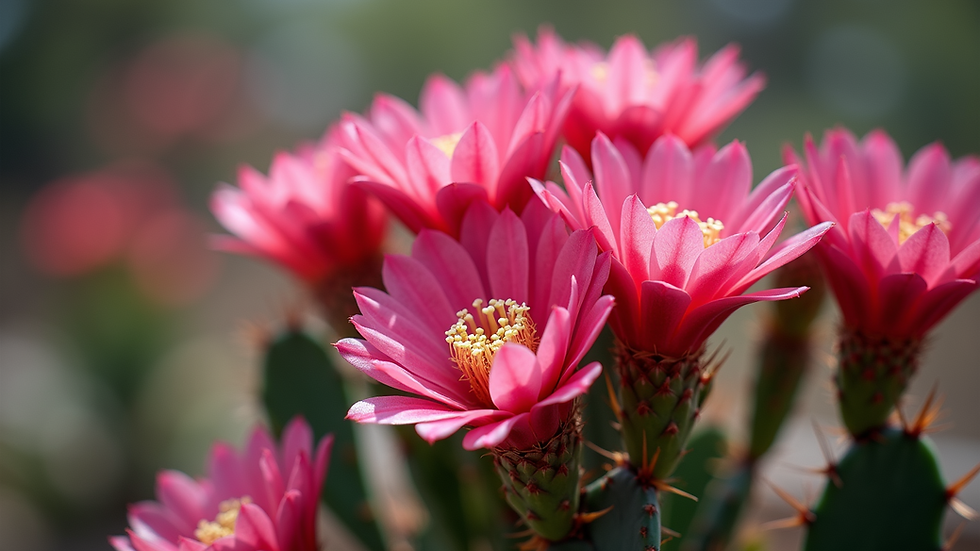
The Christmas Cactus is not only beautiful but also has some unique traits that set it apart from other houseplants. One notable characteristic is its blooming cycle. Unlike most cacti that bloom in arid conditions, the Christmas Cactus flowers in response to shorter daylight hours and cooler temperatures. This makes it ideal for blooming during the holiday season when days are shorter.
Flowering Tips
To encourage your Christmas Cactus to bloom beautifully, consider the following tips:
Temperature Drop: As mentioned earlier, a cooler temperature in late fall (around 50-55°F or 10-13°C) can trigger blooming. However, ensure it is not exposed to frost.
Dark Period: For about 4-6 weeks in late autumn, provide your cactus with 12-14 hours of darkness daily. This mimics the natural conditions it needs to flower.
Fertilization: Use a balanced fertilizer specifically formulated for cacti or succulents once a month during the growing season, from spring to early fall, but stop fertilizing about six weeks before you expect blooms.
Repotting: If your plant has outgrown its pot, repot it in the spring. Choose a pot that is just one size larger, as this will help encourage blooming rather than further vegetative growth.
Common Problems and Solutions
While Christmas Cactus is generally hardy, they can be susceptible to a few issues:
Overwatering: The most common problem is overwatering, which can lead to root rot. Be sure to allow the soil to dry out before watering again.
Pests: Watch out for mealybugs and spider mites. If you notice these pests, treat them with insecticidal soap or neem oil.
Dropping Buds: If your cactus drops its buds before blooming, it could be due to temperature fluctuations, lack of humidity, or improper watering. Ensuring stable conditions can help prevent this.
Storing and Propagating Christmas Cactus
When it comes to propagating your Christmas Cactus, it's relatively easy. Follow these steps for successful propagation:
Take Cuttings: Use a clean, sharp knife to take a 3-4 inch cutting from a healthy part of the plant.
Allow to Callus: Place the cutting in a dry location for a day or two to allow the end to callus over. This helps prevent rot when planted.
Plant in Soil: Insert the cutting into a well-draining potting mix, ensuring at least one segment is buried in the soil. Water sparingly until you see new growth.
Provide Humidity: Cover the pot with a plastic bag or cling film to maintain humidity, and place it in a bright spot out of direct sunlight.
Remember to acclimatize new plants slowly to their environment, just as you'd do for adult plants.
Last but not least, as you celebrate the joy of the holiday season, having a flourishing Christmas Cactus brings a unique charm to your decorations, presenting a lovely reminder of the beauty of nature amid the festivities.
The Christmas Cactus is more than just a seasonal decoration; it's a living piece of nature that can thrive and grow with the right care. By understanding its needs and characteristics, you're on your way to enjoying its stunning blooms year after year. Would you like to explore more about plants like the Christmas Cactus? Check out details on propagation and seasonal care to create a thriving indoor garden!


Comments