Understanding the USDA Plant Hardiness Zone Map
- Nature Elegance
- Mar 18, 2025
- 4 min read
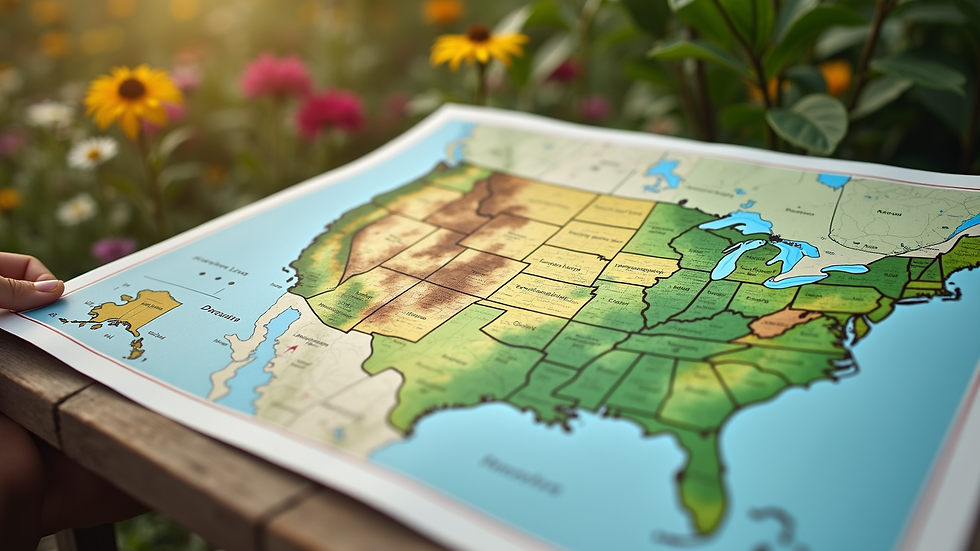
When it comes to gardening, one of the most critical factors in ensuring your plants thrive is knowing your local climate. This is where the USDA Plant Hardiness Zone Map comes into play. Originally created in 1960, this map divides the United States into different zones based on the average annual minimum temperature. Understanding this map can help gardeners and plant enthusiasts choose the right plants that will thrive in their region.
What is the USDA Plant Hardiness Zone Map?
The USDA Plant Hardiness Zone Map is a crucial tool for gardeners. It showcases the different climates across the United States and indicates which plants are most likely to flourish in those specific temperatures. The map consists of 13 zones, each separated by a 10-degree Fahrenheit difference in average minimum temperature.
Why is this important? If you select plants that are not suited to your zone, you risk planting species that may struggle to survive. For instance, a zone 7 plant may not make it through winter in a zone 4, where temperatures can drop significantly lower.
How to Read the USDA Hardiness Zone Map
Reading the USDA Hardiness Zone Map is straightforward. Each zone is assigned a number from 1 to 13 based on temperature ranges:
Zone 1: Below -50°F
Zone 2: -50°F to -40°F
Zone 3: -40°F to -30°F
Zone 4: -30°F to -20°F
Zone 5: -20°F to -10°F
Zone 6: -10°F to 0°F
Zone 7: 0°F to 10°F
Zone 8: 10°F to 20°F
Zone 9: 20°F to 30°F
Zone 10: 30°F to 40°F
Zone 11: 40°F to 50°F
Zone 12: 50°F to 60°F
Zone 13: Above 60°F
To find your zone, you simply need to locate your state or region on the map. Most local gardening centers also provide zone information for various plants they sell. Knowing your zone helps simplify the process of selecting plants that will flourish in your specific conditions.
The Importance of the Hardiness Zone Map for Gardeners
So why does it matter? Understanding the USDA Plant Hardiness Zone Map can significantly impact your gardening success. Here are several reasons why this tool is essential:
1. Plant Selection
Using the map to select appropriate plants for your zone can drastically enhance your garden's success rate. For example, if you live in zone 6, choosing plants suited for zones 7 and above may lead to disappointment, especially during colder months.
2. Seasonal Planning
Knowing your hardiness zone also assists in planning your gardening activities seasonally. You can determine when to plant various crops, flowers, or trees based on average last frost dates or the duration of your growing season.
3. Sustainable Gardening Practices
Selecting native or adapted plants can lead to a more sustainable garden. Plants suited to your climate often require less water and pest control, making for a more environmentally friendly gardening practice.
Utilizing the Map for Successful Gardening
To effectively use the USDA Plant Hardiness Zone Map in your gardening, consider these actionable recommendations:
1. Research Plants
Before purchasing plants, check their hardiness ratings and compare them to your zone. Resources like the USDA Plant Database provide comprehensive information on a variety of plants.
2. Microclimates
Be mindful of microclimates within your area. Slight variances in elevation, moisture level, and sunlight can create different growing conditions even within the same hardiness zone. For example, a shaded garden may have cooler conditions than a garden with full sun exposure.
3. Experiment and Adapt
Don't hesitate to experiment with different plants, especially those known to be marginal in your zone. Document your results to create a personalized record of what thrives in your garden.

Common Misconceptions About Hardiness Zones
Despite its utility, there are numerous misunderstandings regarding the USDA Plant Hardiness Zone Map. Here are some common misconceptions clarified:
1. It's Just for Vegetables
While many people associate the hardiness map with vegetable gardening, it applies to all types of gardening, including ornamental plants, shrubs, and trees.
2. Zones Are Set in Stone
The map updates occasionally based on climate shifts, so what was accurate a decade ago may not reflect current conditions. Be sure to reference the latest version of the map for the most accurate information.
3. All Plants Are Equal Copycats
Just because two plants are rated for the same zone, it doesn't mean they will behave the same way in your garden. Each plant species has unique requirements for soil types, drainage, and light exposure.
Tips for Gardeners in Different Zones
Zone 1-3
If you reside in one of the colder zones, it's wise to look for hardy perennial plants. Trees such as the Siberian Elm or shrubs like the Common Lilac are great options that provide beauty even in harsh winters.
Zone 4-6
These zones offer a broader variety of options in both flowers and vegetables. Consider trying fruit-bearing plants like strawberries or ornamental varieties like daylilies that can comfortably grow throughout the season.
Zone 7-10
Warmer zones allow for the cultivation of subtropical and tropical plants. You can explore options like hibiscus, jasmine, or other tropical varieties that won't survive in cooler conditions.
Final Thoughts
Using the USDA Plant Hardiness Zone Map is paramount in achieving gardening success, whether you're a novice gardener or a seasoned plant enthusiast. By selecting plants that are suited to your climatic conditions, understanding your zone will help ensure that your garden thrives year-round.
Remember, the map is not merely a guideline but an essential resource that can elevate your gardening game significantly. As a gardener, knowing the temperature ranges and the zones allows you to develop a more productive, resilient garden.
Take the time to research the plants appropriate for your USDA hardiness zone, and you are well on your way to a garden that thrives. Happy gardening!


Comments